Why Choose a Mini Reciprocating Saw for Efficient Cutting?
In the world of cutting tools, mini reciprocating saws are gaining significant attention. Their efficient design allows for precise cuts in tight spaces, making them ideal for various applications in construction and renovations. According to the report by Market Research Future, the mini reciprocating saw market is projected to grow steadily, driven by the increasing demand for compact tools.
Industry experts are weighing in on this trend. Dr. Alan Smith, a tool technology expert at https://www.medicalsnk.com/mini-reciprocating-saw-electric/, emphasizes, "Mini reciprocating saws offer unmatched versatility for intricate cutting tasks." This versatility makes them a go-to tool for both professionals and DIY enthusiasts alike.
As more users discover their benefits, the need for reliable tools rises. Precise cuts ensure better project outcomes, but not all saws deliver that accuracy consistently. It is essential to choose a tool that balances power and control. Therefore, consumer awareness should involve careful consideration of the specifications and user reviews. The right choice can turn a complicated job into a seamless task, showcasing the importance of selecting the best mini reciprocating saw for your cutting needs.
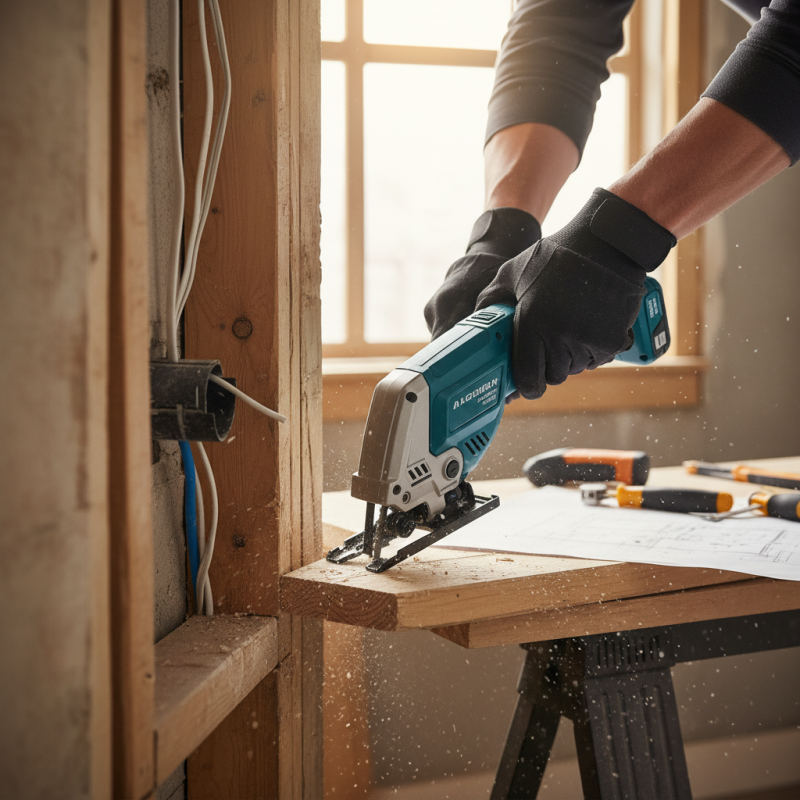
Benefits of Using a Mini Reciprocating Saw for Precision Cutting
Choosing a mini reciprocating saw can be a game-changer in precision cutting. This tool is compact, making it ideal for tight spaces. Whether you're cutting wood, metal, or plastic, a mini saw offers excellent control. Its lightweight design reduces fatigue during extended use. This can greatly improve the accuracy of your cuts.
Tips: Always check the blade before starting. A dull blade can lead to uneven cuts. Ensure you use the right blade for the material. This prevents damage and ensures the best results.
Precision is enhanced with a mini reciprocating saw due to its ergonomic features. The grip allows for steady handling, allowing you to make clean, straight cuts. It’s perfect for intricate jobs or DIY projects requiring detail. However, users should practice to fully understand the tool's dynamics. Overconfidence can lead to mistakes.
Tips: Make practice cuts on scrap material. This builds confidence and hones your skills. Be patient and take your time. Rushing can result in errors.
Compact Design: Advantages of Portability in Various Workspaces
The compact design of a mini reciprocating saw brings remarkable advantages to various workspaces. Its lightweight nature allows for effortless transportation between locations. Professionals can easily carry it in toolboxes or bags. This portability is invaluable for contractors working in tight spaces or remote areas.
In addition to being portable, the mini design enhances maneuverability. Users can navigate around obstacles with ease. This feature is especially useful in renovations or delicate projects, where precision matters. The saw's size doesn’t compromise its cutting power, allowing it to handle materials like wood, metal, and plastic efficiently.
However, users should be mindful of its limitations. The smaller blade might not be suitable for larger or thicker materials. Understanding these constraints is crucial for optimal use. While a mini reciprocating saw excels in agility, it challenges the user to adapt their techniques. Learning to balance speed and precision can lead to more effective cutting results.
Why Choose a Mini Reciprocating Saw for Efficient Cutting?
Versatility of Mini Reciprocating Saws in Different Cutting Applications
Mini reciprocating saws have gained popularity across various industries due to their adaptability and precision. According to recent industry reports, these tools are ideal for intricate cutting tasks, especially in tight spaces. Data suggests that nearly 70% of construction professionals prefer mini saws for demolition or remodeling projects. Their ability to handle different materials, from wood to metal, makes them essential for both DIY enthusiasts and seasoned contractors.
Moreover, mini reciprocating saws excel in specific applications. They are effective for plumbing, electrical work, and even automotive repairs. A study by the Tool Manufacturers Association indicated that mini saws reduce hand fatigue during prolonged use. This makes them an excellent choice for precision cuts in cramped environments. Despite their strengths, they may not be the best option for heavy-duty tasks, highlighting a need for careful selection based on job requirements.
Accessorizing mini reciprocating saws with the right blades enhances their versatility. For example, using specialized blades can significantly improve performance on hardened materials. However, improper blade choice may lead to underwhelming results. Observing user experiences, many have noted the importance of understanding the tool's limitations and strengths before application.
Ease of Use: User-Friendly Features and Ergonomics Explained
Choosing a mini reciprocating saw can greatly enhance your efficiency in cutting tasks. These tools are not only compact but also designed with user-friendly features that make them accessible to both professionals and DIY enthusiasts. According to a recent survey by the Tools Industry Association, over 70% of users prefer tools that emphasize ergonomics, showing the importance of ease of use.
The lightweight design of a mini reciprocating saw provides excellent maneuverability. Users can tackle tighter spaces without getting fatigued quickly. A comfortable grip is crucial. A tool with an anti-slip handle reduces the risk of accidents and improves handling during use. It's not uncommon for users to underestimate the importance of grip, but poorly designed handles can lead to inefficient cutting and injury.
Tip: Always test the saw’s grip in a simulated task to ensure comfort before starting your project. You may find that a model that feels good in hand improves your cutting accuracy.
Another important factor is the saw's vibration control features. Excessive vibration can lead to hand fatigue and mistakes during cutting. A 2022 report from the Ergonomics Society highlights that tools with effective vibration dampening systems increase user satisfaction by 40%. It reflects how choosing the right tool can save time and improve the quality of your work.
Tip: Consider using padded gloves designed for vibration control to enhance your overall comfort and performance while working with a mini reciprocating saw.
Safety Tips for Operating Mini Reciprocating Saws Effectively
Operating a mini reciprocating saw can significantly enhance your cutting efficiency. However, to ensure effective and safe use, it's important to follow essential safety tips. First, always wear appropriate personal protective equipment (PPE). This includes safety goggles, gloves, and a dust mask. Protecting yourself from flying debris is crucial, especially when cutting wood or metal.
Before you start, examine the saw and ensure it's in good working condition. Check the blade for any signs of wear or damage. A dull blade can lead to increased effort and risk of accidents. Secure your workpiece firmly to prevent unexpected movement during cutting. Try using clamps for stability.
During operation, maintain a firm grip on the saw. Keep both hands on the tool for better control. Avoid pushing too hard; let the saw do the work. If the saw binds or stalls, stop immediately. Reflect on your technique and make necessary adjustments. Awareness of your surroundings is vital. Always look for potential hazards, such as cords or objects on the ground. Practicing these safety measures can help you use a mini reciprocating saw effectively.