- Spanish-Latin America
- Japanese-JP
- Chinese
- Europe
- Português-BR

Tech Support
(888) 598-9901
Hours: Mon-Fri 8AM-8PM EST
nep-usa@site_ea168614-f5f4-4298-bd5b-880b4cf8d99d
China Best LED Stop Turn Tail Lights Supplier?
Choosing the right China LED stop turn tail lights supplier requires more than comparing factory prices. It requires evidence, testing, and practical road experience. A reliable supplier should understand rear visibility, brake intensity, turn-signal separation, heat control, and long-term vibration resistance.
Automotive lighting consultant Daniel Stern has said, “A lamp must communicate, not merely illuminate.” That principle matters here. A good LED stop turn tail should show a clear red stop signal, a noticeable amber or red turn signal, and a dependable tail-light glow. The lens should remain bright under rain, dust, and direct sunlight. Small details matter.
This guide examines how to assess Chinese manufacturers, product quality, customization ability, and after-sales support. It also considers wiring accuracy, connector sealing, mounting strength, and photometric test records. These points can expose weaknesses before a shipment reaches your warehouse. Ask for samples. Test them repeatedly. Do not trust polished catalog images alone.
Some suppliers offer impressive brightness but weak thermal design. Others provide low prices but limited traceability. That gap can become expensive. A professional supplier should share clear specifications, production photos, inspection procedures, and relevant compliance documents. Experience shows that communication speed also matters when a batch contains inconsistent colors or flashing patterns.
No supplier is perfect. Buyers should still question assumptions and verify every critical claim. The best partnership combines engineering support, stable production, transparent documentation, and realistic delivery commitments. With careful evaluation, this article can help identify a China LED stop turn tail lights supplier that supports safety, durability, and dependable commercial performance.
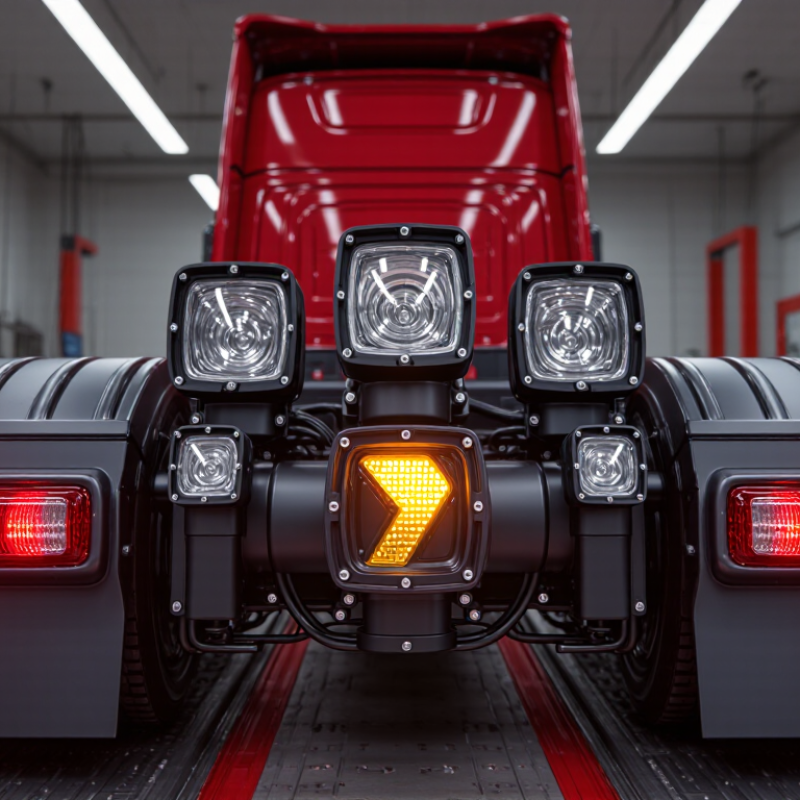
What Are LED Stop, Turn, and Tail Lights?
LED stop, turn, and tail lights combine three safety functions in one vehicle lighting assembly. The tail light produces a steady, lower-intensity glow when the vehicle lights are on. The stop light becomes brighter when the brake pedal is pressed. The turn signal flashes to show a planned direction change. Different markets may require red or amber turn signals, so local specifications must be checked.
In practical installation work, LED units respond quickly and use less power than many traditional lamps. That quick response can give following drivers more time to react. A reliable assembly should also resist water, dust, vibration, and temperature changes. Look for clear wiring diagrams, stable connectors, proper heat management, and documented photometric testing. Brightness matters. Heat matters too. A sealed housing is useful, but poor thermal design can still shorten LED life.
Good suppliers explain beam patterns, voltage ranges, mounting dimensions, and testing methods before quoting prices. They should provide samples for fit checks and inspect color consistency across production batches. I have found that a light can look excellent on a workbench yet perform poorly when mounted at an angle. This is an easy detail to miss. Buyers should test visibility during daylight, rain, and nighttime viewing. They should also verify flashing speed, brake-light separation, and connector polarity before installation. A lower price may seem attractive, but unstable electronics create repeated maintenance work.
Get in touch
Our mission is to develop cutting-edge clean energy technology and provide next-generation solar inverters.
Phone
(888) 598-9901
nep-usa@site_ea168614-f5f4-4298-bd5b-880b4cf8d99d
