We use our own and third-party cookies to improve our services. If you continue browsing, we will consider that you accept this use. Read More

OK

English-US
  • Spanish-Latin America
  • Japanese-JP
  • Chinese
  • Europe
  • Português-BR

Tech Support

(888) 598-9901
Hours: Mon-Fri 8AM-8PM EST

E-mail

nep-usa@site_ea168614-f5f4-4298-bd5b-880b4cf8d99d

2026 Best VTOL Fixed-Wing Aircraft for Global Buyers?

The aviation industry is evolving rapidly, with VTOL Fixed-Wing aircraft at the forefront of innovation. These vehicles combine the benefits of traditional fixed-wing designs with the versatility of vertical takeoff and landing capabilities. As global demand increases, understanding the best options for buyers becomes crucial.

VTOL Fixed-Wing offers unique advantages. They can operate in confined spaces, providing greater accessibility. Moreover, they present a blend of speed and efficiency that traditional aircraft struggle to match. However, potential buyers must consider various factors before making a decision.

Market research reveals numerous models, each with distinct features and specifications. This complexity can overwhelm potential investors. Reflecting on individual needs is essential for making informed choices. The landscape of VTOL Fixed-Wing is rich, yet requires careful navigation. A discerning approach will lead to optimal outcomes.
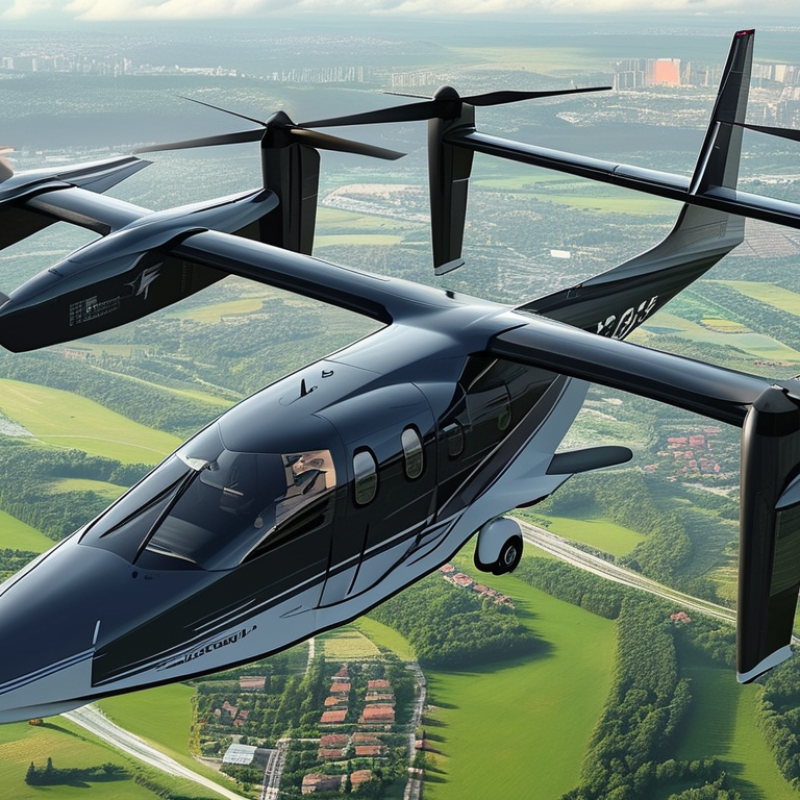
2026 Best VTOL Fixed-Wing Aircraft for Global Buyers?

Overview of VTOL Fixed-Wing Aircraft Technology and Applications

VTOL fixed-wing aircraft represent a remarkable advancement in aviation technology. They combine the vertical takeoff and landing capabilities of helicopters with the speed and efficiency of fixed-wing designs. This hybrid approach allows these aircraft to operate in various environments, from urban settings to remote areas. Their versatility is promising for sectors such as logistics, medical emergencies, and military operations.

Recent innovations have improved battery technology and propulsion systems. These enhancements contribute to longer flight times and greater payload capacities. However, challenges remain. The balance between weight and performance is critical. Engineers often face trade-offs that might affect aircraft range or operational costs. Further research is needed to optimize these designs.

The regulatory landscape also poses hurdles. Different countries have varying standards for operation and certification. This inconsistency can complicate global sales and user adoption. Crafting a universal framework may help streamline these processes. Ultimately, while VTOL fixed-wing aircraft have immense potential, there are unresolved issues that require careful consideration.

Key Features and Benefits of VTOL Fixed-Wing Aircraft

Vertical Takeoff and Landing (VTOL) fixed-wing aircraft are revolutionizing aviation. They combine the speed and range of fixed-wing designs with the flexibility of rotary systems. This unique blend is increasingly appealing to various sectors, from urban transport to disaster relief.

One significant benefit is operational versatility. According to the American Institute of Aeronautics and Astronautics, VTOL fixed-wing aircraft can access locations without runways. This capability reduces the need for infrastructure investment, making them ideal for remote areas. They can also adapt to different weather conditions, a critical aspect in emergency scenarios. However, their maintenance can be complex, posing challenges for operators.

Efficiency is another highlight. A recent report by the International Council on Clean Transportation indicates that VTOL fixed-wing aircraft achieve 30% lower fuel consumption compared to conventional aircraft. This efficiency positions them as eco-friendly alternatives. Yet, the technology is still evolving. Current models face limitations in payload capacity and range. Critical improvements are needed to broaden their applications in commercial markets. Balancing these aspects will be key for future developments in this innovative aviation segment.

Top Market Players in the VTOL Fixed-Wing Aircraft Industry

The VTOL fixed-wing aircraft industry is rapidly evolving. Global buyers are increasingly looking for efficient, innovative options. The market features several key players that are shaping the future of aviation. These manufacturers focus on integrating advanced technologies to enhance performance. Their expertise and commitment to quality make them leaders in the field.

Each company brings unique strengths to the table. Some excel in design, while others focus on engineering excellence. This diversity leads to a variety of aircraft that cater to different needs. Nevertheless, the industry faces challenges, such as production costs and regulatory hurdles. Significant improvements are necessary to ensure widespread adoption.

The ongoing research and development efforts aim to address these issues. Collaboration among industry stakeholders is crucial for overcoming obstacles. Buyers seek dependable solutions that can transform transportation. The growing interest in VTOL aircraft indicates a bright future ahead. However, improvements in safety and sustainability remain imperative for long-term success.

Comparative Analysis of 2026 Models and Their Specifications

As the demand for Vertical Take-Off and Landing (VTOL) fixed-wing aircraft grows, 2026 brings an array of impressive models. Buyers are looking for advanced specifications that enhance performance and efficiency. Comparative analysis of these models reveals essential features that can guide prospective owners.

When examining the specifications, factors like flight range, payload capacity, and speed are critical. Models vary significantly in their design philosophies, impacting their operational use. Some are tailored for urban air mobility, while others focus on long-range transport. It’s crucial to consider mission profiles when selecting a suitable model.

Tips: Evaluate your specific need before purchasing. Are you focusing on cargo transport or passenger services? Calculate your budget accurately. Also, think about maintenance costs. Not all models are created equal; you may encounter limitations in handling or reliability. Understanding these details helps in making informed decisions.

Future Trends and Innovations in VTOL Fixed-Wing Aircraft Design

The landscape of VTOL fixed-wing aircraft is rapidly evolving. Innovations are driving advancements in efficiency and performance. According to a report by MarketsandMarkets, the global market for VTOL aircraft is projected to reach $7.9 billion by 2025, with a compound annual growth rate (CAGR) of over 18%. This growth reflects increasing demand for urban air mobility solutions.

An essential trend is the integration of electric propulsion systems. These systems promise reduced emissions and lower operational costs. A study from the European Union Aviation Safety Agency reveals that electric VTOLs can cut operating costs by up to 50%. However, challenges remain. Battery weight and energy density often limit flight range and payload capacity. Despite these hurdles, research efforts are underway to create lightweight materials and more powerful batteries.

Another focus area is automation and autonomy. Remote piloting and fully autonomous systems can enhance safety and operational efficiency. A report from Deloitte highlights that automation can improve predictability in logistics. Yet, public acceptance and regulatory hurdles pose significant obstacles. Ongoing collaboration among stakeholders is crucial for successful integration into existing air traffic systems. As these innovations develop, the balance between performance and safety will continue to be paramount in VTOL fixed-wing design.

Get in touch

Our mission is to develop cutting-edge clean energy technology and provide next-generation solar inverters.

Phone

(888) 598-9901

E-mail

nep-usa@site_ea168614-f5f4-4298-bd5b-880b4cf8d99d