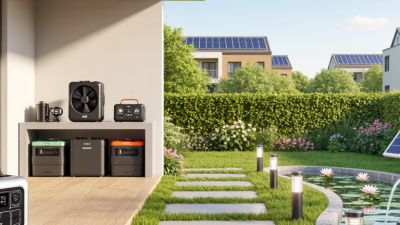
What Are the Best Solar Powered Products from China?
China has become a major source of solar powered products, from rooftop panels and portable generators to garden lights, water pumps, and camping chargers. Its manufacturing scale offers broad choice, competitive prices, and rapid product development. Yet buyers should look beyond attractive specifications. A bright package does not guarantee dependable performance.
Solar analyst Jenny Chase has remarked, “Solar is not just about panels; it is about the whole system.” That principle guides this review. The best products combine efficient photovoltaic cells, safe batteries, durable housings, practical controls, and clear warranty terms. They should also suit real conditions, including cloudy weather, winter temperatures, dust, and limited roof space.
Small details matter. A portable power station may claim 1,000 watts, but its usable capacity can fall after conversion losses. A solar street light may look powerful in a showroom, then dim before dawn. Certification, supplier testing, and after-sales support deserve equal attention. Reputable manufacturers usually provide technical sheets, battery-cycle information, and traceable safety documentation.
There is no universal winner.
The right choice depends on the task, location, budget, and maintenance expectations. Some Chinese products are excellent value. Others compromise too much on materials or testing. This guide compares their practical strengths, limitations, and suitable applications. It also asks a less comfortable question: are buyers choosing genuine long-term value, or simply the lowest advertised price? That distinction can shape energy savings, reliability, and safety for years.
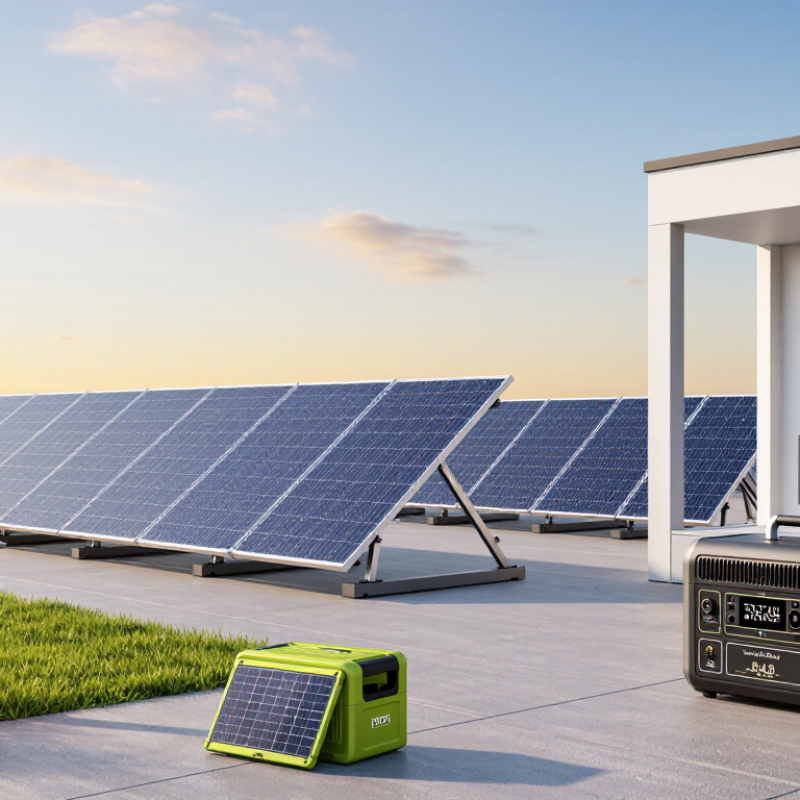
Chinese Solar Product Manufacturing: Scope, Technology, and Market Strengths
China’s solar manufacturing sector covers far more than rooftop panels. Factories produce photovoltaic modules, portable power stations, solar streetlights, water pumps, inverters, batteries, and charging systems. This broad scope supports complete project packages, from a small rural lamp to a utility-scale installation.
Manufacturing strength comes from a dense supply chain. Silicon processing, cell production, glass, aluminum frames, power electronics, and packaging often operate within connected industrial regions. Current technologies include monocrystalline cells, TOPCon designs, bifacial modules, lithium iron phosphate storage, and smart energy controls. Automated lines can improve consistency, but automation does not remove every risk. Material traceability, factory testing, and independent inspection still matter. A shiny sample may hide uneven quality between production batches.
Market strength also comes from scale, flexible order quantities, and practical customization. Buyers can request different voltages, enclosure sizes, mounting structures, or lighting schedules. Export experience helps manufacturers prepare documentation and adapt products for varied climates. However, lower prices should not be treated as proof of value. Warranty terms, replacement procedures, efficiency under heat, and battery cycle performance deserve close review.
Tips: Ask for recent test reports, not only certificates. Check serial-number traceability and production dates. Request samples from regular production, then test them independently. Confirm local electrical rules before ordering. Small omissions can become expensive later.
Leading Categories of Solar-Powered Products Made in China
What Are the Best Solar Powered Products from China?
China’s strongest solar-powered product categories cover lighting, portable energy, water pumping, and outdoor electronics. Solar streetlights remain widely used for roads, gardens, farms, and remote facilities. Their practical value depends on panel efficiency, battery capacity, weather resistance, and easy maintenance. A bright lamp is not enough.
Portable solar generators are another important category. They can support camping equipment, emergency communication devices, small appliances, and field operations. When evaluating one, I check continuous output, charging speed, battery chemistry, cooling design, and overload protection. Product photos often look impressive. Real performance may differ.
Solar water pumps serve agriculture, landscaping, and livestock areas without convenient grid access. Controllers with dry-run protection can reduce damage when wells become empty. Solar chargers, security lights, and compact ventilation systems also suit homes, travel, and small workshops. In sourcing work, I request test reports, installation instructions, spare-part details, and samples before making larger decisions. Certifications should match the destination market, not merely appear on a product page.
Details matter greatly.
Some products still have weak cable seals, unclear battery warranties, or incomplete English manuals. These faults are easy to miss during online purchasing. Buyers should test products under changing sunlight, inspect connectors, and confirm replacement costs. A lower purchase price can become expensive after one harsh winter.
How to Evaluate Quality, Efficiency, Safety, and Product Lifespan
What Are the Best Solar Powered Products from China?
When evaluating solar products from China, inspect construction before comparing prices. A rigid frame, sealed connectors, and even surface finishing often reveal manufacturing consistency. For panels, check the rated power under standard test conditions, not only the headline wattage. A portable lamp should provide measured runtime, battery capacity, and charging time. I usually test one sample outdoors for several days. Real sunlight is less predictable than factory data.
Efficiency depends on the complete system. A strong panel cannot compensate for a poor charge controller or undersized wiring. Check conversion efficiency, standby consumption, and performance during cloudy weather. For batteries, examine usable capacity, cycle ratings, temperature protection, and charging limits. Independent test reports are more useful than vague claims. I once trusted a bright lamp with a large battery label. Its actual runtime was disappointing.
Safety and lifespan require careful documentation. Look for recognized electrical certifications, clear manuals, fuse protection, overcharge control, and suitable ingress protection ratings. Outdoor products should resist rain, dust, and repeated temperature changes. Ask for production records, batch testing, warranty terms, and replacement-part availability. A long warranty means little without a responsive supplier. Reviews can help, but they may not represent every batch. Even careful buyers can miss hidden weaknesses. That is why sample testing, written specifications, and traceable inspection records matter more than polished product photos.
Top Chinese Solar Products for Homes, Businesses, and Outdoor Use
China’s solar industry now serves homes, businesses, and outdoor projects at global scale. The IEA expects China to deliver nearly 60% of new renewable capacity added worldwide between 2024 and 2030. This manufacturing depth supports broad choices, from rooftop panels to compact solar generators.
For homes, high-efficiency photovoltaic modules pair well with lithium iron phosphate batteries. A practical system can power lighting, refrigeration, routers, and evening appliances. Check panel certification under IEC 61215 and IEC 61730. Also verify battery safety documents, usable capacity, cycle testing, and local grid requirements. Cheap equipment can become expensive when warranties are unclear.
Businesses often need larger rooftop arrays, smart inverters, and energy management software. IRENA reported that utility-scale solar electricity costs fell 12% in 2023, reaching about USD 0.044 per kilowatt-hour globally. Chinese suppliers also produce solar water heaters, streetlights, camping panels, and portable power stations for outdoor use. Look for weather resistance, replaceable parts, and tested performance at high temperatures. Outdoor ratings can be misunderstood.
Not every specification reflects real performance. Shade, dust, winter temperatures, and poor installation reduce output. A modest system, correctly installed, may outperform a larger one. That point deserves more attention.
Buying Factors: Certifications, Suppliers, Pricing, and After-Sales Support
What Are the Best Solar Powered Products from China?
The best solar products depend on use, climate, and installation conditions. Buying decisions should begin with verified certifications, not attractive packaging. For panels, check IEC 61215 and IEC 61730 records, then confirm the certificate matches the exact model. Controllers, inverters, and batteries may require different safety documents. Local approval rules also matter.
A reliable supplier should provide clear factory details, sample testing, production photos, and traceable inspection reports. Ask about daily capacity, minimum order quantity, lead time, and quality control procedures. During sourcing, compare the total landed cost instead of the unit price. Freight, customs duties, accessories, packaging, and installation can change the final figure sharply. A low quotation may look excellent. It can hide weaker components or limited testing. I once underestimated replacement costs because the warranty exclusions were easy to overlook.
Tips: Request a working sample before placing a large order. Check serial numbers with the testing organization when possible. Put efficiency, tolerance, warranty length, and delivery dates into the contract. After-sales support deserves equal attention. Confirm response times, spare-part availability, remote troubleshooting, and repair procedures. A dependable supplier should explain what happens after a controller fails in a remote cabin or a battery loses capacity early. Vague promises are not enough. Get practical answers in writing.