What are the Best Solar Applications for Global Buyers?
Solar Applications are becoming increasingly vital in today's energy landscape. As global buyers seek sustainable solutions, identifying the most effective solar applications is essential. These applications cater to diverse needs, from powering homes to commercial facilities.
The range of solar applications includes photovoltaic systems, solar water heating, and solar cooking solutions. Each serves a specific purpose and meets unique demands. For instance, solar water heating can significantly cut energy costs while providing efficient heating. However, there are challenges to consider, such as installation complexities and upfront costs.
As we explore the best solar applications, we must acknowledge the need for careful evaluation. Buyers should assess their requirements and the feasibility of solar solutions. Reliable data and expert insights will guide informed decision-making. Embracing solar technology not only supports environmental goals but also empowers users with energy independence.
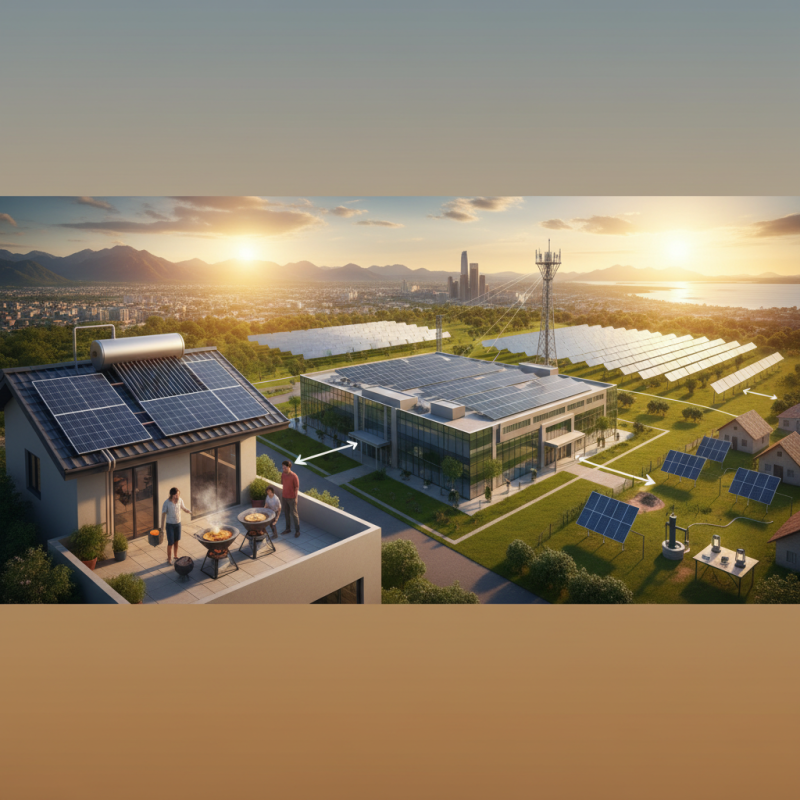
Best Solar Applications for Residential Use
The residential solar market is thriving, offering various applications that promote energy independence. Studies indicate that residential solar installations grew by 20% in 2022. This growth reflects a shift in consumer awareness and technological advancements. Homeowners are increasingly investing in photovoltaic (PV) systems not only to reduce electricity bills but also to enhance property values.
One popular application is rooftop solar panels. They harness sunlight directly, converting it into usable electricity. According to the National Renewable Energy Laboratory, PV systems can lower energy bills by 50% or more. Additionally, homeowners can benefit from state incentives, further maximizing cost savings. A growing trend involves solar batteries, which store energy for night use. This technology allows homeowners to rely less on the grid, even during peak hours.
However, there are challenges in the solar landscape. The initial installation costs can be high, depending on the system size. Not every home is suitable for solar. Some properties may face shading issues or structural limitations. Moreover, maintenance and potential repairs need consideration. Homeowners must weigh these factors carefully, ensuring they choose the right solar applications for their needs.
Top Solar Solutions for Commercial Businesses
The shift to solar energy is transforming commercial operations worldwide. A recent report from the International Energy Agency highlighted that solar installations could account for over 40% of the energy mix by 2040. This significant change presents a compelling case for businesses keen on sustainability.
Solar arrays on rooftops provide a straightforward solution. They can reduce energy costs by up to 80%. This is especially crucial for companies facing rising electricity prices. Additionally, innovative solar technologies, like building-integrated photovoltaics (BIPV), offer dual benefits. These not only generate power but also maintain aesthetic value.
Tip: Assess your energy consumption. Understanding this can guide which solar solutions suit your business best.
Ground-mounted solar farms represent another option for larger businesses. They maximize space while generating substantial power. However, initial costs can be high, prompting businesses to reevaluate their investment strategies. Market dynamics might vary, and continuous assessment of financing options is necessary.
Tip: Explore local incentives. Many regions offer financial support for solar installations, easing initial costs.
Incorporating battery storage systems ensures a steady energy supply. As a recent study indicated, combining solar energy with storage can lead to increased reliability. Yet, businesses must consider the long-term maintenance of these systems. It’s essential to remain aware of potential drawbacks to optimize overall performance.
Innovative Solar Technologies for Agriculture
Innovative solar technologies offer transformative solutions for agriculture. These applications help farmers optimize energy use while promoting sustainability. For instance, solar-powered irrigation systems reduce reliance on fossil fuels. They improve water management, especially in regions facing climate stress.
Farmers can also benefit from solar greenhouses. These structures harness sunlight to regulate temperature and extend growing seasons. Combined with energy-efficient LED lights, they enhance crop yields. Farmers are finding that integrating these technologies can lead to better productivity and lower operating costs.
Tips: Always assess your energy needs before investing. Understanding local climate conditions is crucial. Experimenting with different solar solutions might reveal better options for your farm. 继续观察和调整,以确保最佳成果。
Solar Energy Applications in Transportation Sector
The transportation sector is adopting solar energy in innovative ways. Solar panels can power electric vehicles and charging stations, reducing reliance on traditional energy sources. Many cities are installing solar rooftops on public transport stations. This not only provides energy but also showcases a commitment to sustainability.
However, challenges remain. The initial cost of solar installations can be high. It may deter some organizations from making the switch. Moreover, solar energy production is dependent on weather conditions, which can lead to reliability issues. As solar technology evolves, the industry must address these concerns. Finding efficient storage solutions for cloudy days and integrating solar with existing infrastructure is crucial for broader adoption.
Despite these obstacles, the potential is enormous. Solar energy can help reduce carbon footprints in transportation. It also aligns with global efforts to combat climate change. The vision of a cleaner, sustainable future is within reach, but it requires ongoing collaboration and innovation.
Emerging Trends in Solar Power for Industrial Operations
Solar power is transforming industrial operations globally. Companies are increasingly investing in solar technologies to reduce energy costs and carbon footprints. Recent studies show that many industrial sectors have begun integrating solar systems, not just as a backup, but as a primary energy source.
Emerging trends highlight smart solar solutions. Innovations such as solar tracking systems are gaining traction, optimizing energy capture throughout the day. Using data analytics, industries can predict solar output and adjust operations accordingly. However, while many organizations are adopting these technologies, there are challenges. Not all regions have the infrastructure to support advanced solar applications. A thorough analysis of energy needs and geographic factors is essential before implementation.
In addition, the installation process presents hurdles. Skilled labor is required, yet there is a shortage in some areas. This gap affects timely project completion. Companies must weigh the benefits of solar against these challenges. This reflection is crucial for informed decision-making. Balancing investment with potential delays can enhance long-term sustainability goals.
Best Solar Applications for Global Buyers
This chart illustrates the distribution of various solar applications that are gaining traction among global buyers, highlighting emerging trends in solar power for industrial operations.