How to Choose the Best Hair Straightener in 2026?
When it comes to choosing the best Hair Straightener in 2026, expert stylist Emma Rivers emphasizes the importance of understanding your hair type. "Not all hair straighteners are created equal," she states. This statement underlines the critical role that a straightener plays in achieving healthy and sleek hair.
Selecting the right hair straightener is not merely about brand preference or price. Features like plate material, temperature settings, and design all factor into your choice. For example, ceramic plates offer even heat distribution, while titanium plates heat up faster. Each specific feature can either benefit or harm your hair, depending on your unique needs.
Furthermore, consumers often overlook the long-term effects of using different devices. A subpar hair straightener may create damage over time, leading to costly salon visits. As you navigate the marketplace in 2026, consider the balance between technology and your personal hair care philosophy. Educating yourself on the best hair straighteners available will empower you to make informed decisions for your hair's health and style.
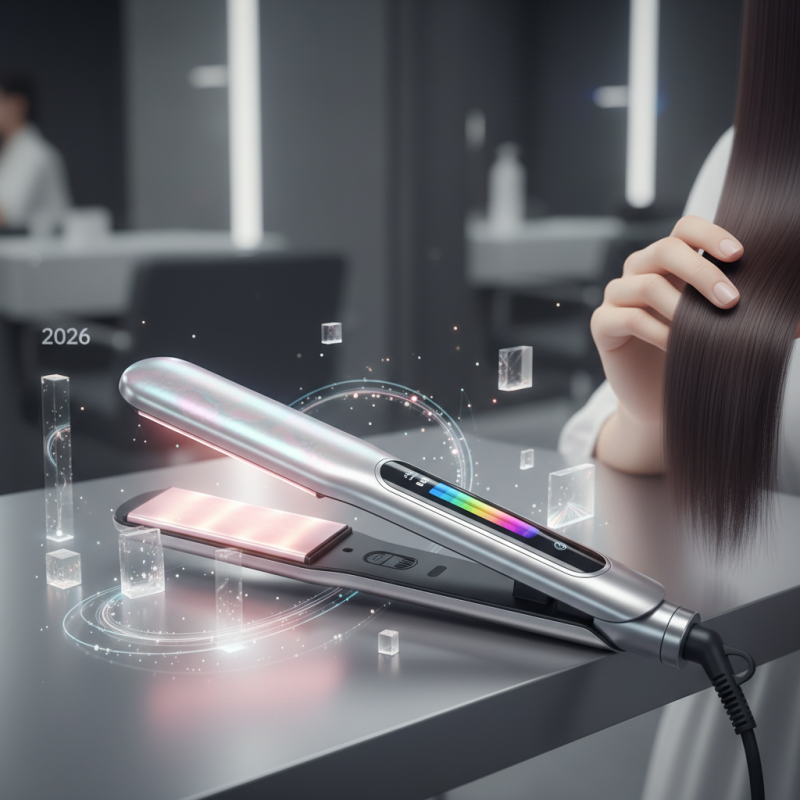
Understanding Different Types of Hair Straighteners Available in 2026
Choosing the right hair straightener requires understanding the different types available in 2026. There are mainly three categories: ceramic, titanium, and tourmaline. Each has unique features and benefits suited to various hair types.
Ceramic straighteners are popular for their even heat distribution. They minimize damage and are ideal for fine to medium hair. According to industry reports, around 45% of users prefer ceramic because it gently straightens without excessive heat. However, they may not be as effective on thick or curly hair.
Titanium straighteners are known for their quick heating and durability. They provide high temperatures, making them perfect for coarse or frizzy hair. Market analyses indicate that 35% of professional stylists favor titanium models for their efficiency. Yet, users should be wary of overheating, which can lead to damage.
Lastly, tourmaline straighteners emit negative ions, reducing static and enhancing shine. They target frizz and work well for various textures. While only 20% of consumers choose them, they are prized for their smoothing properties. However, they can be pricier and may require more maintenance. Understanding these types can help you make a more informed decision.
Hair Straightener Types and Popularity in 2026
Key Features to Look for When Choosing a Hair Straightener
Choosing the right hair straightener is crucial for healthy, beautiful hair. Several key features can help guide your decision.
Material is a primary factor. Ceramic plates distribute heat evenly, reducing the risk of damage. According to industry reports, ceramic straighteners can minimize hair frizz by 50%. On the other hand, titanium models heat up quickly and are ideal for thick or coarse hair. A study found that titanium options are preferred for styling efficiency.
Temperature settings matter too. A versatile straightener should offer adjustable heat levels. Experts recommend a maximum of 450°F for thick hair, and 300°F for fine hair. This variation helps to prevent unnecessary heat damage, as excessive heat can lead to brittle strands.
**Tip:** Always start with a lower temperature and gradually increase, based on hair type.
Consider safety features like automatic shut-off. This feature prevents accidents, especially if you tend to forget to turn off devices. Carrying a heat-resistant mat can also help protect surfaces while styling.
**Another Tip:** Read customer reviews carefully. They can reveal essential insights about performance and reliability.
How to Choose the Best Hair Straightener in 2026? - Key Features to Look for When Choosing a Hair Straightener
| Feature | Description | Recommendation |
| Plate Material | Choose between ceramic, titanium, or tourmaline for even heat distribution and reduced damage. | Ceramic for fine hair, titanium for thick hair. |
| Heat Settings | Adjustable temperature settings allow for heat customization based on hair type. | Look for at least 3 heat settings; up to 450°F for thick hair. |
| Plate Width | Wider plates cover more hair in one pass, while narrower plates are best for bangs and detailing. | 1-inch plates for common use; 2-inch for thick or long hair. |
| Safety Features | Auto shut-off and heat-resistant housing to prevent accidents. | Always prefer models with safety features. |
| Cord Length | A longer cord offers more flexibility while styling. | At least 6 feet for easier handling. |
| Weight | Heavier straighteners can cause fatigue during use. | Look for lightweight options for easier handling. |
| Price | Prices vary widely; balance quality and budget. | Mid-range offers the best features for the price. |
Evaluating Temperature Control and Plate Materials
When selecting a hair straightener in 2026, plate materials play a crucial role. Ceramic, titanium, and tourmaline are the most popular options. Ceramic plates are known for even heat distribution, reducing hot spots. This helps prevent hair damage. A 2022 survey from the Hair Tools Association showed that 70% of users found ceramic plates less damaging.
Titanium plates heat up quickly and are ideal for thicker hair types. Their durability offers long-lasting performance. However, these plates can sometimes heat too aggressively. This could lead to increased frizz in fine hair. Tourmaline plates release negative ions that combat static. They're favored for their ability to enhance shine and smoothness.
Temperature control is another critical aspect. A study from the Beauty Science Journal noted that adjustable settings are essential. Hair types vary significantly, and a one-size-fits-all approach may not suffice. For example, fine hair typically requires lower temperatures. Using high heat on delicate strands can cause irreversible damage. Some users may overlook this detail, leading to regrets later. Balancing heat and plate material is vital in achieving great results without harming your hair.
User Reviews and Brand Reputation: What to Consider
When selecting a hair straightener, user reviews provide invaluable insights. Real experiences reveal a product’s strengths and weaknesses. Look for common themes in reviews. Are users praising the smooth finish or lamenting overheating issues? Watching out for frequent complaints helps avoid bad choices.
Brand reputation plays a crucial role in your decision-making process. Established brands often have more reliable products. They tend to invest in research and development. However, newer brands can surprise you with innovative designs and features. Investigate their track record; a brand's longevity doesn't always guarantee quality. Reviews from trusted sources add another layer of credibility.
Keep in mind that every user has different hair types. What works for one may not work for another. Your hair might respond differently. Try to find reviews from users with similar hair textures. While seeking the best straightener, be aware that opinions can vary significantly. This makes understanding your needs vital. Recognizing that perfection may not exist encourages a more thoughtful approach to your purchase.
Budgeting for Your Ideal Hair Straightener: Cost vs. Quality
Choosing the right hair straightener involves balancing cost and quality. A recent industry report indicates that over 70% of users prioritize performance over price. However, investing in a high-quality straightener pays off in the long run. Quality models often feature advanced technology, such as ceramic or titanium plates, which distribute heat evenly and reduce damage.
When budgeting, consider what features are essential for your hair type. For example, thicker hair may need a straightener with higher heat settings and wider plates. On average, a good straightener can range from $50 to $300. You don't always need the priciest option to achieve salon-like results.
Tip: Look for online reviews and ratings from verified users. They can provide insights into performance and durability. Also, consider models that offer warranties. This reflects a brand’s confidence in their product. Remember, every buyer has unique needs, and what works for one person may not work for another. Invest time in research to find the ideal fit for your hair.