We use our own and third-party cookies to improve our services. If you continue browsing, we will consider that you accept this use. Read More

OK

English-US
  • Spanish-Latin America
  • Japanese-JP
  • Chinese
  • Europe
  • Português-BR

Tech Support

(888) 598-9901
Hours: Mon-Fri 8AM-8PM EST

E-mail

nep-usa@site_ea168614-f5f4-4298-bd5b-880b4cf8d99d

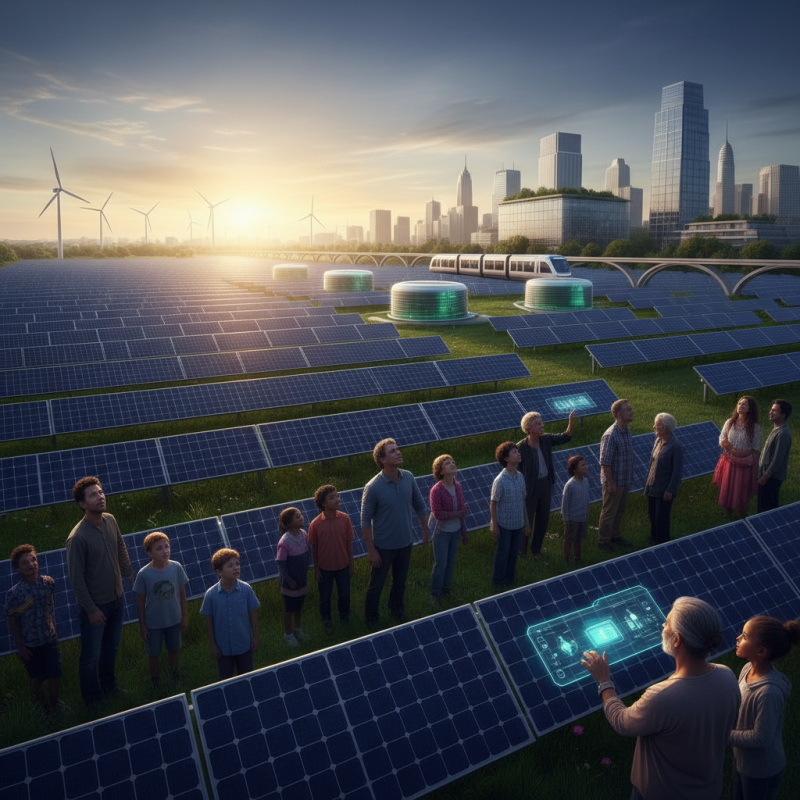
10 Best Green Energy Solar Solutions for a Sustainable Future?

The shift towards green energy solar solutions is more vital than ever. Renowned expert Dr. Emily Carter, a leading voice in sustainable energy, emphasizes, “Harnessing the sun is not just beneficial; it’s essential for our planet's future.” Her insight highlights the urgency to embrace solar technologies.

As we explore the 10 best green energy solar solutions available today, it is crucial to understand the diverse options on the market. From rooftop panels to large-scale solar farms, each solution plays a role in reducing carbon footprints. However, the challenge lies in overcoming barriers such as initial costs and energy storage issues.

The landscape of green energy solar is evolving rapidly. While we have made progress, there are still gaps to fill. Many people still lack access to these technologies. As we navigate this path, we must reflect on our efforts. Are we doing enough? Addressing these concerns will pave the way for a truly sustainable future.
10 Best Green Energy Solar Solutions for a Sustainable Future?

The Importance of Green Energy in Combating Climate Change

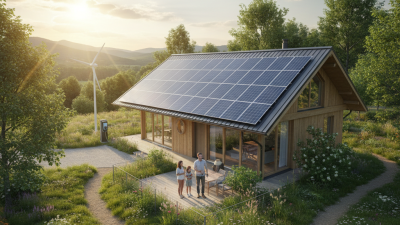
Green energy plays a vital role in combating climate change. Solar solutions contribute significantly to reducing greenhouse gas emissions. They harness the sun's energy, providing a clean alternative to fossil fuels. The shift to solar energy can dramatically reduce our carbon footprint. More households are adopting solar systems for energy independence. This trend leads to fewer emissions and a healthier planet.


Tips: Consider local incentives for solar adoption. Research allows homeowners to maximize financial benefits. Evaluate roof space and sun exposure to ensure efficiency. Each home is unique, and some may require tailored solutions.


Transitioning to solar also presents challenges. Upfront costs can deter many. However, the long-term savings might outweigh initial expenses. It's crucial to assess all financial options. Explore financing plans that offer more accessible entry points. Awareness drives the adoption of green technologies, fostering sustainable practices. As individuals and communities, we can embrace a greener future.
Current Global Solar Energy Production Statistics and Trends

10 Best Green Energy Solar Solutions for a Sustainable Future?

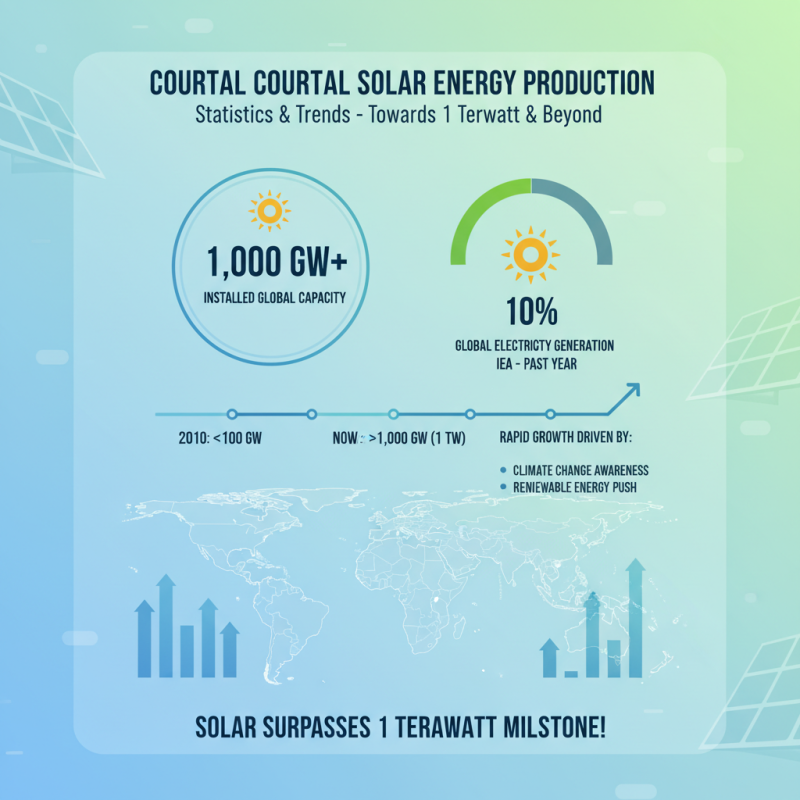
As of recent estimates, global solar energy production has surpassed 1,000 gigawatts (GW) of installed capacity. This marks a significant milestone in the transition towards sustainable energy. According to the International Energy Agency (IEA), solar power contributed to over 10% of the total global electricity generation in the past year. This surge reflects a growing awareness of climate change and the need for renewable energy solutions.

Regional trends show that Asia remains the largest solar market, with over 50% of the world's capacity. China, in particular, accounted for approximately 40% of new installations in the past year. Despite this growth, challenges remain. Many regions still lack the necessary infrastructure to support a rapid solar transition. Furthermore, the intermittency of solar power highlights the need for improved energy storage solutions.

Reports indicate that the global solar market could see continued expansion, with a projected annual growth rate of 20% in the coming years. Factors such as government policies and technological advancements will play critical roles. However, the uneven distribution of solar capacity across different regions raises questions about equitable access to clean energy. These issues must be addressed to ensure a truly sustainable future for all.

Top 10 Innovative Solar Technologies Enhancing Energy Efficiency

Innovative solar technologies are reshaping our approach to energy efficiency. Solar panels have come a long way. New designs, like bifacial panels, capture sunlight from both sides. This boosts energy output, making systems more efficient. They integrate seamlessly into urban environments. Smart solar trackers follow the sun’s path, optimizing energy capture throughout the day. These advancements make solar energy more accessible and reliable.

Energy storage solutions are equally transformative. Advanced battery systems store excess energy for later use. This ensures a consistent power supply, even during cloudy days or at night. The combination of solar and storage creates a resilient energy ecosystem. New concepts, such as transparent solar cells, are paving the way for building-integrated photovoltaics. This technology allows windows to generate electricity without compromising aesthetics.

Despite these advancements, challenges remain. Installation costs can still be high. Additionally, a significant education gap exists about solar energy benefits. Many potential users underestimate the long-term savings. Promoting awareness is vital for greater adoption. Realizing a sustainable future requires ongoing innovation and public engagement. Embracing these technologies can lead us to a cleaner energy landscape.

Cost-Benefit Analysis of Solar Energy vs. Traditional Energy Sources

The cost-benefit analysis of solar energy versus traditional sources is essential for a sustainable future. Solar energy has become more accessible in recent years. It requires significant initial investment. However, this aligns with long-term savings on utility bills. Many homeowners see a return on investment within a few years. The technology itself is advancing, making solar panels more efficient and durable.

On the other hand, traditional energy sources often incur hidden costs. These include environmental damage and health impacts. Fossil fuels emit greenhouse gases, contributing to climate change. This can lead to expensive climate-related disasters. Solar energy, while having an environmental footprint during manufacturing, offers a cleaner alternative once operational. Yet, some debate exists regarding the production and disposal of solar panels. The need for recycling and responsible sourcing of materials is crucial.

Economic incentives can vary significantly by location. Government subsidies make solar energy investments more appealing in some areas. These incentives may not be available everywhere. Understanding local regulations is vital for potential buyers. Both sources of energy have strengths and weaknesses. The choice ultimately reflects individual priorities and environmental considerations.

Government Incentives and Rebates for Adopting Solar Solutions

Government incentives play a crucial role in promoting solar energy adoption. They significantly lower the initial cost of installation. According to the Solar Energy Industries Association, the federal solar investment tax credit allows homeowners to deduct 26% of installation costs from their federal taxes. This initiative has successfully increased solar adoption across the country.

Local and state programs also contribute to these savings. Many regions offer rebates, grants, or low-interest loans for solar projects. A recent report showed that states with robust incentives saw a 50% increase in solar installations. Municipalities are recognizing the importance of clean energy and are investing in these programs.

Tips: Research local programs that may provide additional financial assistance. Utilize online resources to compare available incentives. For many, navigating this landscape can feel daunting. Simplifying the process can lead to better understanding and increased participation in solar energy solutions. Understand that, while incentives are helpful, potential drawbacks include fluctuating regulations. Always stay informed about changes in policies to make the best long-term decisions for solar investment.

Get in touch

Our mission is to develop cutting-edge clean energy technology and provide next-generation solar inverters.

Phone

(888) 598-9901

E-mail

nep-usa@site_ea168614-f5f4-4298-bd5b-880b4cf8d99d