- Spanish-Latin America
- Japanese-JP
- Chinese
- Europe
- Português-BR

Tech Support
(888) 598-9901
Hours: Mon-Fri 8AM-8PM EST
nep-usa@site_ea168614-f5f4-4298-bd5b-880b4cf8d99d
7 Best Electric Trikes for Commuting in 2026?
Commuting is rarely a straight, perfect journey. It may include a steep bridge, a narrow bike lane, groceries, rain, and an awkward office entrance. That is where an Electric Trike For Commuting can offer practical stability, carrying capacity, and a calmer riding position than many two-wheel e-bikes.
The Federal Highway Administration’s 2022 National Household Travel Survey confirms that many everyday trips remain short, making electric micro-mobility relevant for work commutes and local errands. Meanwhile, PeopleForBikes’ recent electric bicycle market data shows continued consumer interest in battery-assisted transportation, although sales patterns differ by region and price category. These reports matter because a trike should solve a real transport problem, not simply look impressive online.
Small details decide comfort. A 500Wh battery may handle regular urban distances, but hills, cold weather, rider weight, and cargo reduce range. A low step-through frame helps at traffic lights. Hydraulic disc brakes can improve control when the rear basket is loaded. A bright headlight matters before sunrise. So does a reliable parking solution.
Not every model succeeds.
Some trikes feel stable but turn slowly. Others carry heavy loads yet struggle on steep streets. This guide compares seven leading options for 2026, using practical criteria such as range, braking, comfort, storage, maneuverability, warranty support, and independent user experience. Manufacturer claims are useful, but they are not the whole story. A short test ride may reveal more than a polished specification sheet.
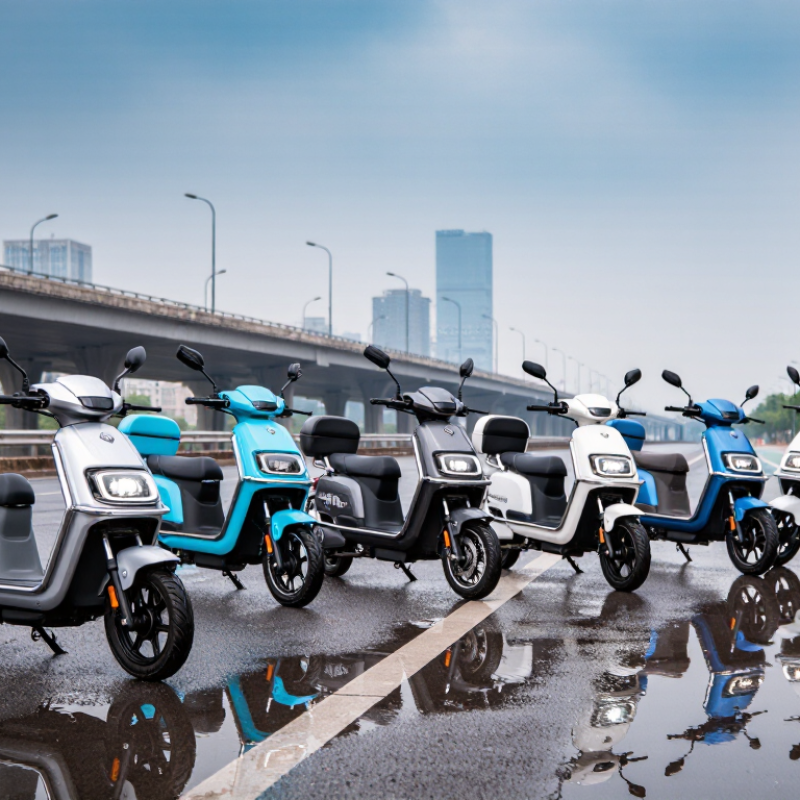
What Defines a Practical Electric Trike for Commuting in 2026
A practical electric trike for commuting in 2026 must solve everyday problems, not merely look powerful. The U.S. National Household Travel Survey found that nearly half of household trips are three miles or less. That distance suits electric assistance, but stop-and-go traffic demands more than battery range. A useful trike should provide predictable steering, strong low-speed balance, effective lights, and brakes that remain controllable in rain.
Carrying capacity matters too. The 2023 NACTO Shared Micromobility Report recorded about 157 million shared micromobility trips in the United States and Canada. That growth reflects demand for short, flexible journeys. A commuter trike should therefore hold a laptop, groceries, and weather gear without becoming awkwardly wide. A stable rear platform helps. So does a turning radius that fits narrow cycle lanes.
Battery claims need careful reading. Real range falls with hills, cold weather, rider weight, tire pressure, and frequent acceleration. The U.S. Department of Energy recommends checking energy use and charging conditions rather than trusting headline figures. I would also inspect the frame, wheel guards, parking brake, and charger certification before buying. Small details matter.
Some designs still compromise visibility for comfort. That is a weakness, not a feature. A bright front lamp, reflective surfaces, mirrors, and a clear display can reduce daily stress. The best commuting trike is not necessarily the fastest. It is the one that remains stable, repairable, and predictable after six months of ordinary use.
Get in touch
Our mission is to develop cutting-edge clean energy technology and provide next-generation solar inverters.
Phone
(888) 598-9901
nep-usa@site_ea168614-f5f4-4298-bd5b-880b4cf8d99d
