What is the Best Electric SUV Car for Global Buyers?
As the world shifts towards sustainable driving, the demand for Electric Suv Cars is soaring. Industry expert John Doe, a renowned analyst at Green Auto Insights, emphasizes this trend: "Electric SUV cars are not just vehicles; they embody a sustainable lifestyle."
Today’s buyers are increasingly concerned about eco-friendliness and practicality. Electric SUV cars offer an ideal blend of ample space, advanced technology, and environmental consciousness. Yet, not all models meet these expectations. Performance, range, and charging infrastructure vary significantly across brands.
With increasing availability comes confusion. Which electric SUV car truly stands out for global buyers? It's essential to analyze key factors like range, efficiency, and user reviews. Buyers should reflect on their own needs. Are they prioritizing range? Or perhaps practicality for family trips? This journey is about finding the best electric SUV car that aligns with individual values and lifestyles.
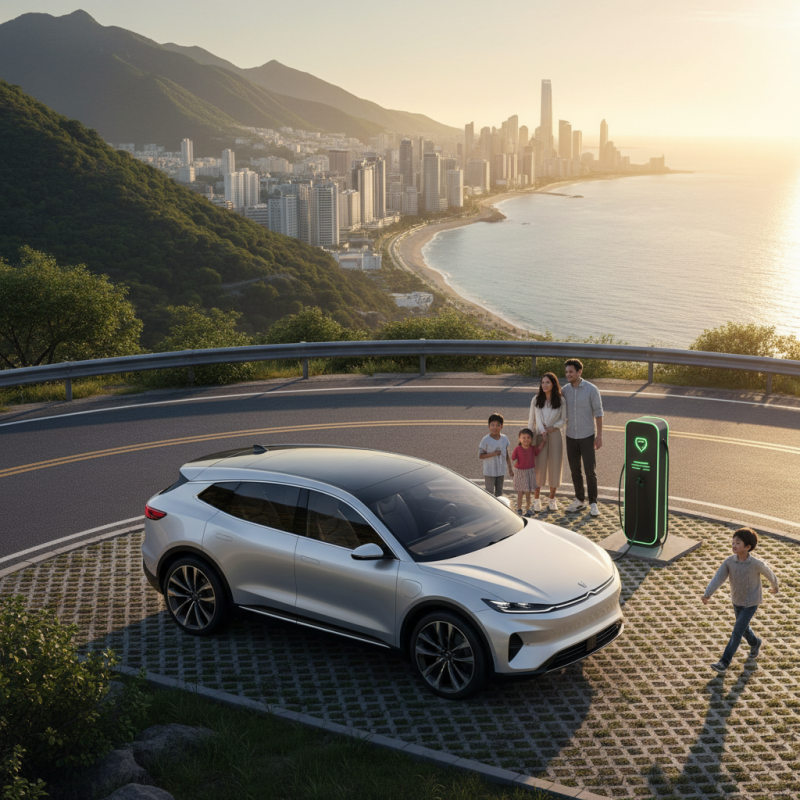
The Growing Demand for Electric SUVs in the Global Market
The global market is witnessing a surge in demand for electric SUVs. Consumers are increasingly prioritizing sustainability in their vehicle choices. This shift reflects a broader awareness of climate issues. More buyers are searching for eco-friendly options that suit their lifestyles.
Electric SUVs offer a unique blend of space, comfort, and efficiency. These vehicles often have advanced technology, enhancing the driving experience. Range anxiety remains a concern for many potential buyers. Charging infrastructure varies by region, affecting consumer confidence. Despite progress, some areas still lack sufficient charging stations.
Many customers find the initial costs of electric SUVs daunting. However, lower maintenance and fuel costs could offset this. The ongoing learning curve for new technology can also perplex buyers. Yet, understanding these vehicles can lead to informed decisions and ultimately, satisfaction.
What is the Best Electric SUV Car for Global Buyers? - The Growing Demand for Electric SUVs in the Global Market
Model
Range (miles)
Battery Capacity (kWh)
Power (hp)
0-60 mph (seconds)
Price (USD)
Electric SUV A
300
75
200
6.5
45,000
Electric SUV B
250
60
180
7.2
40,000
Electric SUV C
350
80
220
5.8
50,000
Electric SUV D
270
65
190
6.9
38,500
Key Factors Influencing Electric SUV Purchases Among Consumers
When considering the best electric SUV, several key factors come into play. Range anxiety is a common concern for potential buyers. Many want to know how far they can travel on a single charge. A vehicle with a greater range provides buyers peace of mind. Consumers increasingly look for technology features as well. Advanced dashboard systems enhance the driving experience and provide crucial information.
Charging infrastructure is another crucial aspect. Availability of charging stations influences purchase decisions. Areas with robust charging networks see higher electric SUV sales. Battery life and the longevity of the vehicle also matter. A well-designed battery can significantly lower maintenance costs. Buyers often seek out warranties as a safety net against potential issues.
Price fluctuations can complicate decisions. Some consumers feel discouraged by high upfront costs. Government incentives may alleviate this, but they vary widely. Additionally, environmental impact weighs heavily on many people's choices. Sustainable production methods resonate with eco-conscious shoppers. While buyers aim for greener options, they might wrestle with performance versus sustainability. This dynamic reflects the evolving landscape of consumer priorities in the electric SUV market.
Top Electric SUV Models: Performance, Range, and Technology Comparison
Electric SUVs are rapidly gaining popularity. They are efficient, spacious, and environmentally friendly. Many models now offer impressive performance and technology. Buyers need to consider several factors before making a choice.
Performance is a key aspect. Look for electric SUVs with strong acceleration. Many models provide quick responses, adding excitement to driving. However, some offer less power, which might disappoint performance enthusiasts.
Range is another vital factor. Several electric SUVs now promise over 300 miles on a single charge. This is ideal for long trips. But not all models achieve this milestone. Buyers should research real-world experiences, as advertised range may be optimistic.
Technology features greatly enhance the driving experience. Many SUVs come with advanced safety systems and infotainment options. Touchscreen interfaces and connectivity are common. Yet, some systems can be complicated or glitchy. Read reviews to find user-friendly options.
Tips: Before buying, test drive a few options. This experience is invaluable. Also, check for software updates. A model’s technology can improve over time, enhancing performance and features. Lastly, consider your local charging infrastructure. Access to charging stations can drastically affect your experience as an electric SUV owner.
Global Sales Trends and Market Share of Leading Electric SUV Brands
The electric SUV market has experienced rapid growth over recent years. Consumers are increasingly looking for eco-friendly options that provide the space and functionality of traditional SUVs. This shift reflects a broader trend toward sustainability in the automotive industry. As a result, several manufacturers are investing heavily in electric SUV technology and infrastructure.
Sales trends indicate that global buyers favor brands that offer a combination of performance, range, and affordability. Many consumers prioritize long battery life and charging convenience. However, some buyers express concern about the initial purchase cost and the availability of charging stations. Limited range in older electric models still poses challenges for potential buyers, leading to hesitancy in some regions.
Market share among leading electric SUV brands is evolving. Some brands dominate the market, capturing significant attention with innovative features. Yet, new entrants are challenging this status quo, bringing fresh ideas and competition. Observing this dynamic reveals that consumer preferences are diverse; some prioritize luxury, while others focus on utility or technological advancements. This ongoing evolution highlights the need for ongoing reflection and adaptation within the industry.
Future Prospects: Innovations in Electric SUV Technology and Sustainability
The electric SUV market is rapidly evolving, with major innovations driving sustainability. According to the International Energy Agency, global sales of electric SUVs increased by 50% in 2021, highlighting a growing consumer interest in environmentally-friendly alternatives. Innovations in battery technology have significantly improved efficiency, allowing vehicles to travel longer distances. As reported by the World Economic Forum, solid-state batteries could increase energy density significantly, enhancing vehicle performance.
Charging infrastructure is also advancing. Research from Bloomberg New Energy Finance indicates that public charging stations could reach 2.5 million globally by 2030. However, challenges remain. Urban areas often lag in charging availability, causing range anxiety for potential buyers. Additionally, sustainable production methods for batteries are still in development. The importance of responsible sourcing for materials like lithium and cobalt is critical for achieving long-term sustainability.
Manufacturers are investing heavily in research and development. Yet, the full environmental impact of electric SUVs is still not fully understood. Reports suggest that the recycling of EV batteries needs more attention to minimize waste. As the market matures, the focus on cleaner manufacturing and energy use will become pivotal for gaining consumer trust. This shift will redefine what it means to be an eco-conscious driver.