- Spanish-Latin America
- Japanese-JP
- Chinese
- Europe
- Português-BR

Tech Support
(888) 598-9901
Hours: Mon-Fri 8AM-8PM EST
nep-usa@site_ea168614-f5f4-4298-bd5b-880b4cf8d99d
10 Best Electric Sightseeing Cars for Global Buyers
Choosing the right Electric Sightseeing Car requires more than comparing price tags and glossy photographs. Global buyers must consider passenger capacity, driving range, charging time, terrain, weather, and service support. A vehicle carrying visitors along a flat resort path may struggle on steep streets or uneven park roads. Small details matter. Seat height, handrails, turning radius, and weather protection can shape every passenger’s experience.
This guide presents 10 Best Electric Sightseeing Cars for Global Buyers through a practical, evidence-based lens. It considers published specifications, operating feedback, build quality, battery options, safety equipment, and manufacturer support. Regional requirements also deserve attention, including road classification, lighting standards, accessibility expectations, and local approval procedures. Claims should be verified with suppliers before purchase. Specifications can vary between markets.
Real-world performance matters most.
A quiet motor, stable braking, and dependable charging can improve daily operations. However, no model is perfect. Some vehicles offer impressive range but limited service coverage. Others provide strong comfort while requiring more charging time. That trade-off deserves honest discussion. Buyers should inspect warranty terms, replacement-part availability, and technician training before signing an order. Climate also changes results; heat, cold, hills, and heavy passenger loads can reduce expected range. The following selection is designed to support careful comparison, not replace professional testing or local compliance checks.
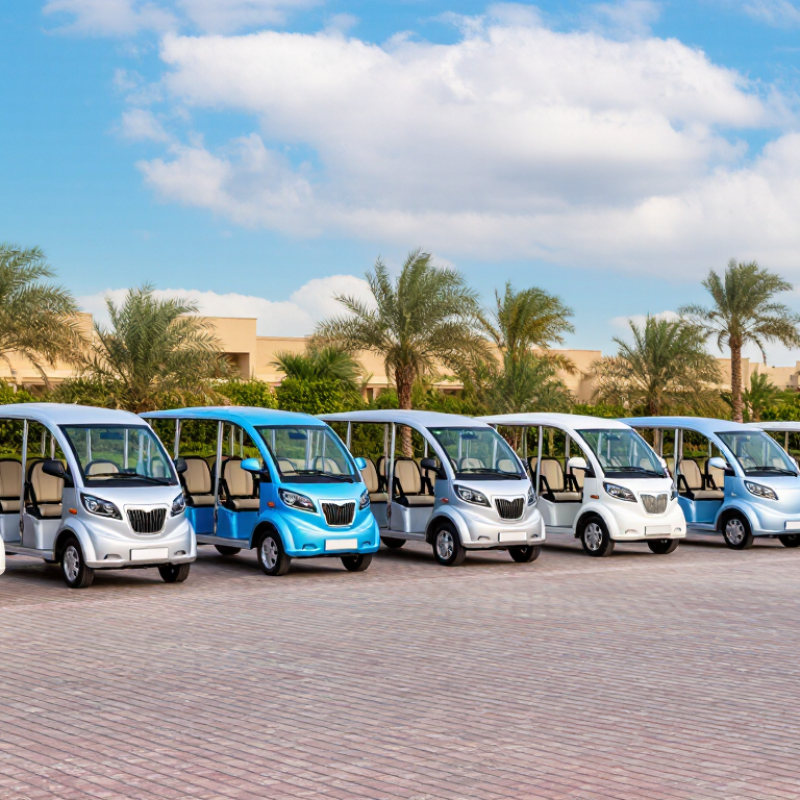
What Defines an Electric Sightseeing Car?
An electric sightseeing car is more than a small vehicle with a battery. It is purpose-built for short, frequent passenger trips in public spaces. Its design usually combines low speed, open visibility, easy boarding, and quiet operation. Quiet, not silent. Drivers still need mirrors, warning signals, and clear pedestrian awareness. A stable frame matters when passengers enter, move, or sit unevenly.
The battery and motor should match the route, passenger load, and local weather. A vehicle climbing wet hills needs different performance from one crossing a flat resort. Real-world range can fall with heavy use, cold temperatures, or frequent stops. Range estimates can mislead. Buyers should review tested operating data, charging time, battery protection, and service access. A charging port that is difficult to reach soon becomes an everyday frustration.
Passenger safety also defines the category. Useful features include secure handrails, non-slip flooring, seat belts where appropriate, strong lighting, and an emergency access plan. Weather protection should cover passengers without blocking the driver’s view. Accessibility deserves practical testing, not just a specification sheet. Can a mobility device approach the entrance? Can staff secure it quickly? A perfect design rarely exists, and operators should document these compromises before purchase. Regular inspections, trained drivers, and clear maintenance records support dependable operation over time.
Get in touch
Our mission is to develop cutting-edge clean energy technology and provide next-generation solar inverters.
Phone
(888) 598-9901
nep-usa@site_ea168614-f5f4-4298-bd5b-880b4cf8d99d
