- Spanish-Latin America
- Japanese-JP
- Chinese
- Europe
- Português-BR

Tech Support
(888) 598-9901
Hours: Mon-Fri 8AM-8PM EST
nep-usa@site_ea168614-f5f4-4298-bd5b-880b4cf8d99d
2026 Best CNC Stainless Steel Parts Suppliers?
Choosing the best supplier for Cnc Stainless Steel Parts in 2026 requires more than comparing online prices. Stainless steel behaves differently during cutting, drilling, turning, and finishing. Tool wear, heat control, burr formation, and dimensional stability can affect every finished component.
Industry data shows why supplier capability matters. The International Federation of Robotics reported 541,302 industrial robots were installed worldwide in 2023, marking a 10% annual increase. This growth reflects stronger demand for automated, repeatable manufacturing. However, automation alone does not guarantee quality. Skilled programming, verified inspection methods, and experienced operators remain essential. The World Stainless Association also continues to report substantial global stainless steel production, supporting demand across medical equipment, food processing, energy, and industrial machinery.
This guide evaluates leading suppliers through practical evidence. It considers material traceability, CNC capacity, tolerances, surface finishing, inspection equipment, and delivery performance. ISO 9001 certification can support process consistency, but certification should not replace direct quality records. Ask for inspection reports, sample parts, and clear responses about 304, 316L, 17-4 PH, and other grades. Small details matter. A clean thread matters. So does a stable Ra value.
No ranking is perfect. Supplier websites often highlight strengths while hiding production limits. Therefore, buyers should verify claims through drawings, capability studies, and independent communication. Reports such as World Robotics 2024 provide useful industry context, but they do not rank individual machining companies. Real supplier selection still depends on evidence, technical judgment, and the part’s actual working environment.
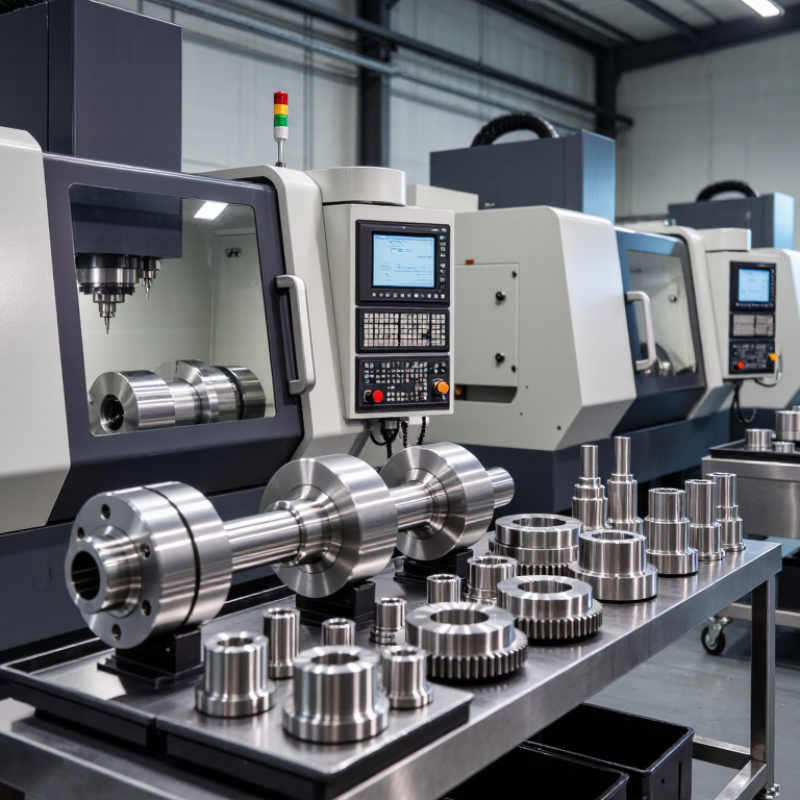
What Defines a Reliable CNC Stainless Steel Parts Supplier in 2026
A reliable CNC stainless steel parts supplier in 2026 proves capability through repeatable evidence, not polished claims. Experienced buyers should inspect machining records, material certificates, and inspection reports before approving samples. The supplier must identify stainless grades clearly, including heat numbers and material condition. Small details matter. A 316L part with the wrong finish can fail in a wet assembly. Dimensional control should match the drawing, not a convenient internal standard. Ask for gauge calibration dates, first article data, and actual process tolerances.
Technical strength also appears on the shop floor. Modern five-axis equipment helps, but skilled operators still control fixturing, tool wear, burr removal, and surface protection. Reliable suppliers explain how they prevent scratching during washing and packing. They should discuss passivation when corrosion resistance requires it, while distinguishing it from ordinary cleaning. Clear capacity data matters too. A supplier accepting every order may quietly outsource critical operations. That weakens traceability.
Trust grows through transparent communication. A dependable team flags an unclear tolerance before cutting metal and documents any approved change. It shares realistic lead times, inspection photos, and corrective-action reports. I would also request a small pilot batch, especially for thin walls or deep bores. Production rarely goes perfectly. A missed edge break or delayed certificate can reveal weak controls. That is useful evidence, not merely an inconvenience. The best evaluation includes response quality, not only price, equipment lists, or a flawless sample.
Get in touch
Our mission is to develop cutting-edge clean energy technology and provide next-generation solar inverters.
Phone
(888) 598-9901
nep-usa@site_ea168614-f5f4-4298-bd5b-880b4cf8d99d
