We use our own and third-party cookies to improve our services. If you continue browsing, we will consider that you accept this use. Read More

OK

English-US
  • Spanish-Latin America
  • Japanese-JP
  • Chinese
  • Europe
  • Português-BR

Tech Support

(888) 598-9901
Hours: Mon-Fri 8AM-8PM EST

E-mail

nep-usa@site_ea168614-f5f4-4298-bd5b-880b4cf8d99d

Top Benefits of Solar Powered Attic Fans for Energy Efficiency and Ventilation?

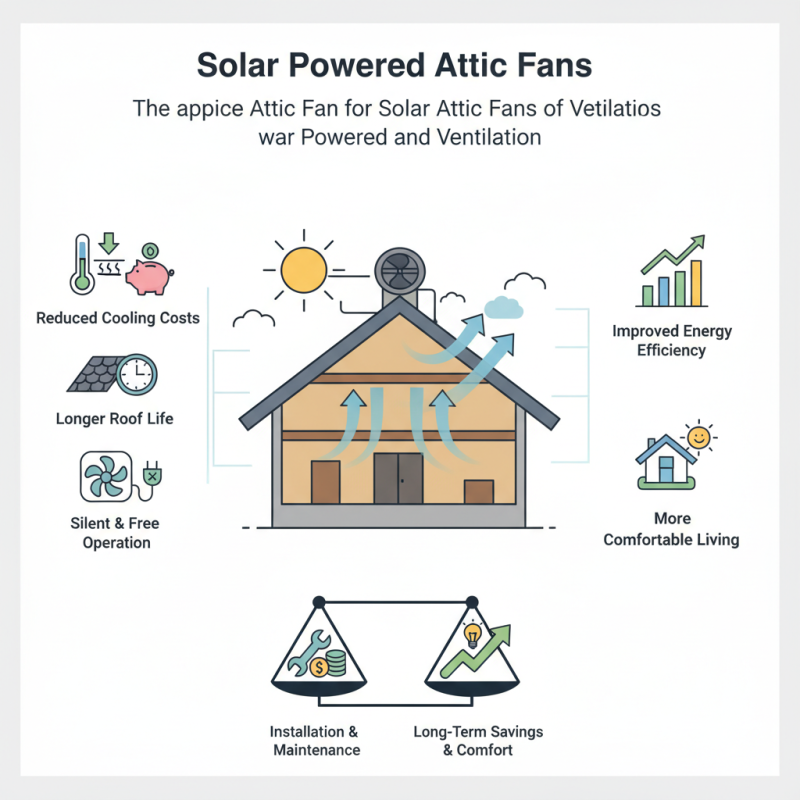
The rising demand for energy-efficient solutions has spotlighted the solar powered attic fan. This innovative technology harnesses sunlight to improve ventilation in homes. According to the U.S. Department of Energy, proper attic ventilation can reduce cooling costs by up to 30%. Homeowners are increasingly recognizing these benefits.

A solar powered attic fan operates silently and free of electricity costs. It can prevent heat buildup, which commonly leads to roof damage and increased energy use. Reports indicate that homes with proper ventilation can exceed energy efficiency standards by significant margins. This technology appears to be a game changer, yet some consumers remain skeptical.

While the installation of a solar powered attic fan may seem daunting, understanding its advantages can spur interest. A well-ventilated attic contributes to a longer roof life and a more comfortable living environment. However, challenges such as initial installation costs and maintenance can’t be overlooked. Evaluating these factors is essential for making informed decisions.
Top Benefits of Solar Powered Attic Fans for Energy Efficiency and Ventilation?

Understanding Solar Powered Attic Fans: An Overview
Top Benefits of Solar Powered Attic Fans for Energy Efficiency and Ventilation?

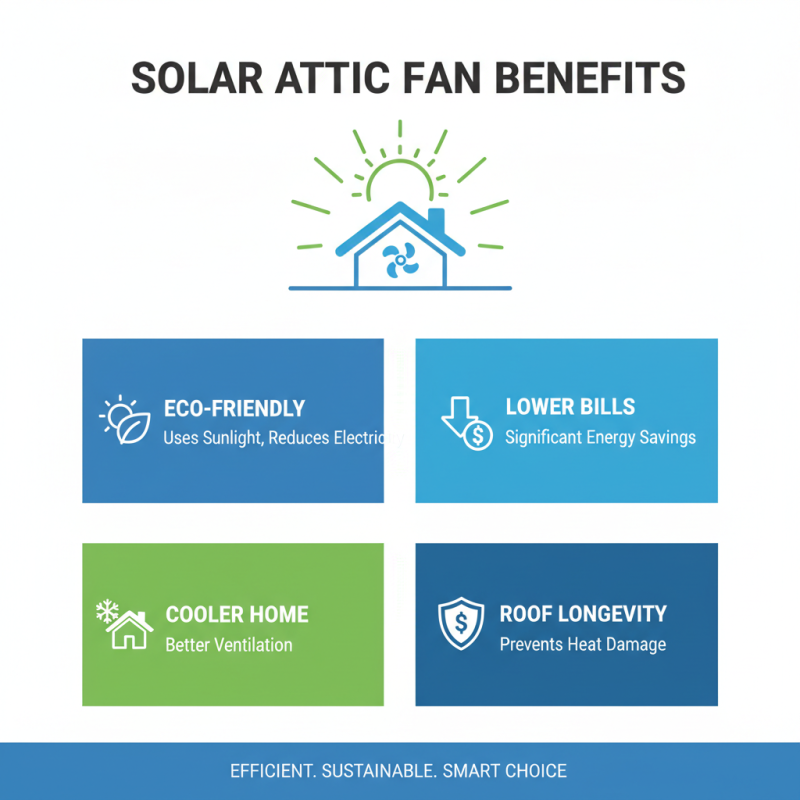
Solar powered attic fans are becoming popular for their efficiency and eco-friendliness. They use sunlight to power the fan, reducing reliance on electricity. This simple change can lower energy bills significantly, especially during hot summer months. When the attic is ventilated properly, the entire house feels cooler. A cooler attic helps prevent heat buildup, which can damage roofing materials over time.

Installation is usually straightforward and doesn’t require extensive remodeling. However, some may find issues with placement and sunlight exposure. If the fan is shaded by trees or other structures, its effectiveness decreases. Regular maintenance is also essential. Dust and debris can clog the fan, limiting its performance.

Understanding how these fans work is crucial. They draw hot air out of the attic, replacing it with cooler air from outside. This process improves overall air circulation in the home. Homeowners should reflect on their specific needs. Each attic is unique, and what works for one may not work for another. Finding the right balance between energy efficiency and effective ventilation can be challenging.

Key Energy Efficiency Benefits of Solar Powered Attic Fans

Solar-powered attic fans are a great choice for improving energy efficiency and ventilation in homes. These fans help to regulate attic temperatures, reducing the need for heavy air conditioning. By harnessing the sun's energy, they operate without increasing your electricity bill. This eco-friendly feature not only saves money but also contributes to overall sustainability.

Tips: Regular maintenance is essential. Dust and debris can obstruct the fan's function. Ensure that vents are clear for optimal airflow. Consider positioning the fan for maximum sun exposure. The right angle can enhance performance during peak sunlight hours.

Installing a solar attic fan can also prevent moisture buildup. High humidity levels can damage insulation and structural integrity. This is a simple yet effective solution for long-term protection. A reliable fan can promote better air quality inside the home. It's crucial to assess the specific ventilation needs of your attic. Energy efficiency is not one-size-fits-all.

Careful planning is required. Not all homes benefit equally from solar ventilation. Home design and local climate play a big role in effectiveness. Be sure to evaluate your unique situation. Every adjustment can contribute to greater energy savings.

Improving Home Ventilation with Solar Powered Attic Fans

Solar powered attic fans are becoming an essential part of energy-efficient homes. These fans use sunlight to ventilate attics, maintaining cooler temperatures during hot days. According to the Department of Energy, proper attic ventilation can reduce air conditioning costs by up to 30%. This is significant for homeowners seeking to lower energy bills.

Improving home ventilation is crucial for air quality. Stagnant air can lead to mold growth and increased humidity. A recent study by the Environmental Protection Agency highlighted that effective ventilation systems minimize indoor pollutants. Solar attic fans facilitate airflow, allowing hot air to escape while drawing in cooler air. This natural ventilation is vital for maintaining a healthy indoor environment.

Tips: Ensure installation of the fan is optimal. Positioning is key. Fans should be placed on the roof's sunny side, maximizing energy efficiency. Regular maintenance is important too; check for debris that can block airflow. Homeowners sometimes overlook this, thinking the fan will run perfectly forever. Simple checks can prevent larger issues down the line.

Benefits of Solar Powered Attic Fans for Energy Efficiency and Ventilation

Cost Savings and Environmental Impact of Solar Attic Fans

Solar attic fans offer significant cost savings and a positive environmental impact. According to a recent report by the U.S. Department of Energy, buildings consume approximately 40% of total energy use. Proper ventilation, aided by solar attic fans, can reduce this energy consumption. By maintaining cooler attic temperatures, these fans can reduce the load on air conditioning systems, leading to lower electricity bills. Studies indicate that homeowners can save up to 30% on cooling costs with adequate ventilation.

Environmentally, the benefits are compelling. Utilizing solar energy for attic ventilation reduces reliance on fossil fuels. The U.S. Environmental Protection Agency states that improved energy efficiency in homes contributes to a reduction in greenhouse gas emissions. For every kilowatt-hour saved, significant reductions in pollution occur. However, solar attic fans are not a silver bullet. Factors like installation costs and varying sunlight exposure may impact their effectiveness. Homeowners must weigh these challenges against potential savings. It's essential to assess your home’s specific needs to realize their full benefits.

Top Benefits of Solar Powered Attic Fans for Energy Efficiency and Ventilation

Benefit Description Estimated Savings Environmental Impact
Energy Efficiency Helps reduce cooling costs by expelling hot air. Up to $300 per year Lower energy consumption
Improved Ventilation Enhances air circulation in attic spaces. N/A Reduces humidity and mold growth
Cost Savings Reduces electricity bills and maintenance costs. Roughly $100 - $500 per year Sustainable energy use
Environmentally Friendly Uses renewable energy from the sun. N/A Decreases carbon footprint
Increased Roof Lifespan Prevents heat buildup that can damage roofing materials. Potentially $1000 in extended roof life Less waste in roofing materials

Factors to Consider When Choosing Solar Powered Attic Fans

Top Benefits of Solar Powered Attic Fans for Energy Efficiency and Ventilation?

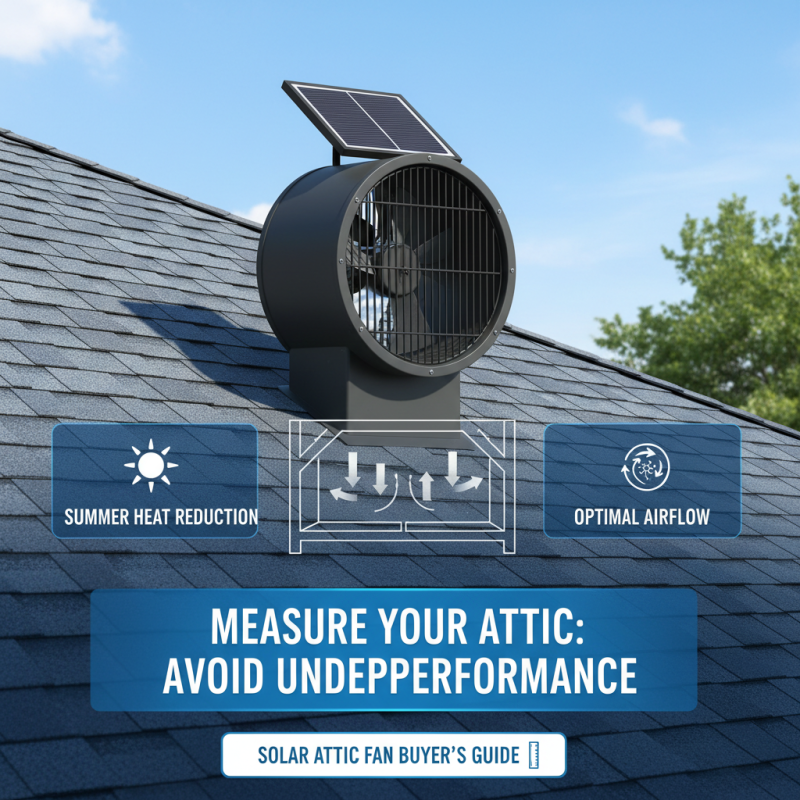
When selecting solar powered attic fans, there are several factors to keep in mind. First, consider the fan’s size and power. Larger attics may require fans with a higher capacity to ensure proper ventilation. You want enough airflow to reduce heat buildup during summer months. Measure your attic space before choosing a fan to avoid underperformance.

Next, look at the solar panel specifications. The efficiency of the panel influences how well the fan operates. A high-quality panel collects more sunlight, enhancing performance even on cloudy days. Additionally, check the materials used in the fan construction. Durable materials resist weather effects and extend the fan's lifespan.

Another aspect to think about is installation complexity. Some models are easier to install than others. If you’re not handy, you might need professional help. Finally, consider the overall design. While functionality matters, aesthetics can also play a role in how well the fan fits into your home’s architecture.

Get in touch

Our mission is to develop cutting-edge clean energy technology and provide next-generation solar inverters.

Phone

(888) 598-9901

E-mail

nep-usa@site_ea168614-f5f4-4298-bd5b-880b4cf8d99d