7 Best Solar Power for Home Cost Options?
Choosing solar energy for a home involves more than comparing panel prices. The real solar power for home cost includes equipment, installation, permits, financing, maintenance, and possible roof repairs. Battery storage can also change the final budget significantly. The answer is rarely a single number. A small home with strong sunlight may need fewer panels, while a shaded roof may require a larger system or tree maintenance.
This guide explores seven practical solar power options for homeowners. They include cash purchases, solar loans, leases, power purchase agreements, community solar, battery-ready systems, and professionally installed packages. Each option carries different ownership benefits, monthly commitments, warranties, and long-term risks. A qualified installer should review roof age, electrical capacity, local sunlight, and utility rules before providing a quote. Ask for itemized estimates.
Look beyond the advertised payment. A low monthly price may include annual increases, limited ownership, or battery exclusions. A battery may provide useful backup during an outage, yet it can extend the payback period. Community solar may suit renters, but availability and savings differ by location. Real experience matters here: compare at least three written proposals and check installer credentials, warranty terms, and customer reviews. Keep your recent electricity bills nearby. They reveal seasonal usage better than a sales estimate. Some figures will age quickly. Incentives, tariffs, and equipment prices can change. This overview offers a practical starting point, not a guaranteed quote. Your roof, habits, and local market still decide the final result.
Understanding the Main Costs of a Home Solar Power System
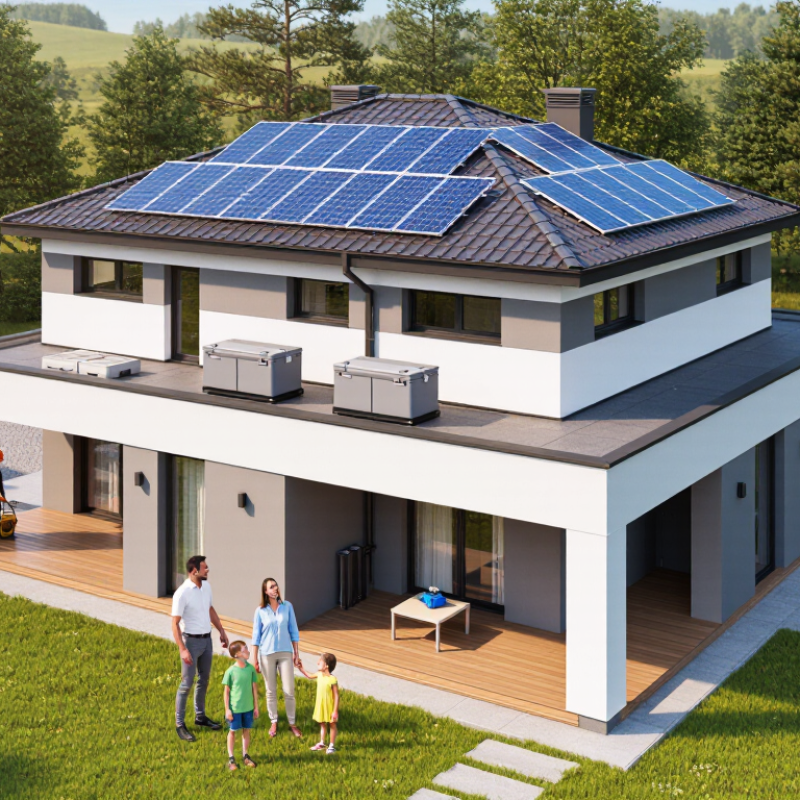
A home solar system has seven main cost areas. Panels usually take the largest share. Their price depends on efficiency, size, and expected energy production. The inverter changes solar electricity into usable household power. It may require replacement sooner than the panels. Mounting hardware secures equipment against wind and rain. Roof shape can increase this expense. Installation labor also varies by location, roof height, and wiring distance. In my experience, a simple roof is rarely the whole story.
Permits and inspections add administrative costs before the system operates. Local rules may require engineering documents or electrical upgrades. A battery creates another major expense, especially for homes needing power during outages. Battery capacity matters more than advertised storage alone. Ask how much energy remains usable after reserve limits. Grid connection fees can appear on the first utility bill. They are easy to overlook. Monitoring equipment, service visits, and cleaning form the seventh cost area. Some systems need little maintenance, but neglected faults can reduce production.
Compare the full installed price, not only the panel quotation. Request an itemized estimate showing equipment, labor, permits, taxes, and future replacements. Check projected annual production against your last twelve months of electricity use. Savings estimates are useful, but weather and household habits can change them. A shaded chimney may reduce output more than expected. That happened in one roof assessment I reviewed. The original estimate looked convincing. It was not careful enough. Independent inspections and written warranties provide stronger protection than confident sales language.
Comparing Seven Affordable Solar Power Options for Homes
Choosing affordable solar power for a home depends on roof space, sunlight, electricity use, and available cash. During a home assessment, I would compare seven practical options: monocrystalline panels, polycrystalline panels, thin-film panels, solar shingles, community solar, portable solar kits, and ground-mounted systems. Each option has a different balance between installation cost, efficiency, maintenance, and appearance.
Monocrystalline panels usually produce more electricity from limited roof space. They can cost more initially. Polycrystalline panels often offer a lower purchase price, but they may require extra roof area. Thin-film panels are lightweight and useful on unusual surfaces, although their efficiency is commonly lower. Solar shingles blend with the roof, yet repairs may become more complicated. Measure twice. Shade changes everything.
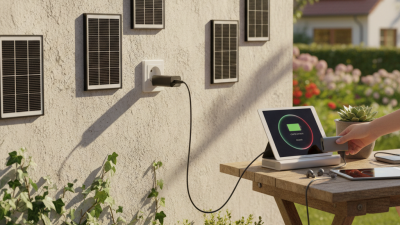
Community solar can suit renters or homeowners with unsuitable roofs. Subscribers pay for a share of a larger solar project and receive credits on their electricity bills. Portable solar kits work well for small loads, such as lights, phones, or emergency equipment. They are not realistic for powering an entire home. Ground-mounted systems can deliver strong output when the yard receives direct sunlight, but they need secure space, local approval, and careful drainage planning.
A reliable comparison should include installation labor, permits, inverter replacement, battery storage, and utility rules. Ask for production estimates based on local weather, not perfect summer conditions. Some calculations still miss tree growth or winter shading. That is a useful warning. A lower quotation may become expensive if it excludes structural repairs or monitoring equipment.
7 Best Solar Power for Home Cost Options? – Comparing Seven Affordable Solar Power Options for Homes
Data notes: Estimates are based on typical residential photovoltaic installations in the United States before rebates, tax credits, financing charges, and local permitting differences. Annual production assumes approximately 1,200–1,500 kWh per installed kilowatt per year, depending on sunlight, roof orientation, tilt, shading, weather, and system losses. Coverage percentages use a broad household electricity-consumption range of approximately 7,000–12,000 kWh per year. Battery storage, if added, commonly increases the total project cost by approximately $8,000–$18,000 or more, depending on usable capacity and installation requirements.
Evaluating Installation, Maintenance, and Replacement Expenses
Home solar costs extend beyond panels.
Installation includes site inspection, structural checks, permits, wiring, inverters, and labor. A realistic quote separates every item. Roof repairs can change the budget quickly. A roof-mounted system often costs less than a ground array, but access and shading matter. Battery storage adds substantial upfront expense. It may reduce grid purchases, although savings depend on tariffs, weather, and household demand. Ask for production estimates based on local sunlight, not national averages.
Maintenance is usually modest, yet it is not zero.
Panels need occasional cleaning where dust, pollen, or snow accumulates. Annual visual inspections can identify loose connections, corrosion, damaged seals, or vegetation. Monitoring software may reveal a sudden output drop before a technician visits. Budget for service calls, replacement fuses, and possible inverter repairs. Some warranties cover equipment but exclude labor, travel, or roof problems. Read those exclusions carefully. Homeowners often focus on monthly savings and overlook access costs.
Replacement planning deserves equal attention.
Inverters commonly require replacement earlier than panels, while batteries gradually lose usable capacity. Set aside a reserve fund instead of assuming every component lasts equally long. Compare seven practical cost paths: grid-tied without storage, grid-tied with storage, hybrid backup, off-grid, roof mounting, ground mounting, and community-linked solar. These options are not equally suitable. An inexpensive design can become costly after roof work or battery expansion. A professional assessment should model ten- to twenty-year cash flow, maintenance, degradation, and local incentives. Estimates remain imperfect; actual output and repair timing can surprise even careful owners.
Calculating Long-Term Savings and Potential Financial Returns
Home solar is not simply a panel purchase; it is a long-term cash-flow decision. A realistic estimate begins with annual electricity use, roof direction, shading, local sunlight, and available installation space. In my cost reviews, the strongest plans use twelve months of utility bills, not one unusually high summer bill. Small details matter. Battery storage can improve resilience, but it often extends the payback period. Without storage, exporting excess power may create savings, depending on local rules and utility rates. Those rules can change.
Compare the total installed price with financing interest, inverter replacement, insurance, cleaning, and possible roof work. Cash payment usually produces the clearest return, while loans preserve savings but add interest. Leasing may lower monthly costs, yet ownership benefits and contract terms require careful review. A simple example helps: a $22,000 system saving $1,800 yearly could approach break-even in about twelve years. That estimate is not a promise. Electricity prices, equipment performance, and policy incentives may shift. Panels also lose a small amount of output over time. A professional installer should provide production estimates, warranty terms, maintenance assumptions, and sensitivity scenarios. Ask what happens if savings are 20 percent lower. That uncomfortable question improves reliability. I would not treat solar as guaranteed profit; it is a measured investment with environmental and financial benefits.
Choosing the Most Cost-Effective Solar Solution for Your Home
7 Best Solar Power for Home Cost Options?
Choosing the most cost-effective solar solution starts with your electricity habits, not panel quantity. A home using 900 kilowatt-hours in July needs a different design from one using 450. In one careful home assessment, afternoon shade reduced expected production more than predicted. That changed the payback estimate. Review twelve months of bills, roof direction, shading, and local sunlight before requesting quotes.
Seven practical cost paths deserve comparison: a cash purchase, a solar loan, a grid-tied system without batteries, a battery-ready system, a hybrid system with storage, community solar, and a ground-mounted array. A basic grid-tied system often costs less because it avoids battery expenses. Cash payment may reduce financing charges, while a loan protects savings for urgent repairs. Community solar can suit renters. Ground mounting helps homes with poor roofs, but trenching and permits may increase installation costs. Off-grid designs are rarely the cheapest urban option.
Ask each installer for annual production, equipment degradation, maintenance needs, warranty coverage, and total financing cost. Compare estimated savings with your actual utility rate, not a national average. A battery can provide backup during outages, yet its extra cost may exceed its daily savings. That deserves honest scrutiny. My own first comparison would have focused too heavily on monthly payments. A lower payment is not always a lower lifetime cost. Keep roof repairs, inverter replacement, insurance, and future electricity prices in the calculation.
7 Best Solar Power for Home Cost Options
The chart compares typical pre-incentive U.S. residential costs for seven solar solutions. Estimates are based on a 5 kW solar array; battery options include approximately 10 kWh of storage. Actual prices vary with roof condition, labor, permitting, site preparation, and local electricity rates.