2026 Top Trends in Electricity Bill View Technology and Insights?
As we approach 2026, the landscape of electricity bill view technology is evolving rapidly. Households and businesses are increasingly relying on innovative tools to manage their electricity expenses. This shift brings new opportunities and challenges.
Modern electricity bill view solutions offer real-time data access. Users can analyze their usage patterns effectively. Visual tools make it easier to identify spikes in consumption. However, many users struggle to understand the complex information provided. The gap between technology and user comprehension can lead to missed savings.
Another emerging trend is the integration of mobile applications. These apps allow users to track their expenses on the go. Yet, many still face difficulty navigating these platforms. The user experience can sometimes feel overwhelming. Reflecting on these challenges is crucial for future developments in electricity bill view technology. Balancing innovation with user-friendliness remains a key goal.
2026 Electricity Bill View Technology: Overview of Current Trends
The landscape of electricity bill view technology is evolving. As of 2026, more consumers demand transparency. Reports indicate that around 75% of users prefer digital billing solutions. This shift reflects a desire for instant access to energy usage data. Enhanced user interfaces are increasingly common, making it simpler to understand complex charges.
Mobile applications play a crucial role. They provide real-time updates and personalized insights into consumption. Some apps allow users to set budgets and receive alerts. This interactivity encourages users to monitor their usage closely. However, many still struggle to grasp their overall energy consumption patterns. Often, users don’t make the connection between their habits and the bill amount.
Data privacy remains a significant concern. With greater access comes the risk of sensitive information being mishandled. A recent study highlighted that nearly 40% of users worry about their privacy in smart utility services. Balancing innovation and security will be vital. Continuous updates are needed to ensure that consumers feel safe using these technologies.
Emerging Innovations in Electricity Bill View Technologies for Consumers
The future of electricity bill viewing is transforming rapidly. Consumers now demand clearer explanations of their bills. Emerging technologies are reshaping how we perceive energy consumption.
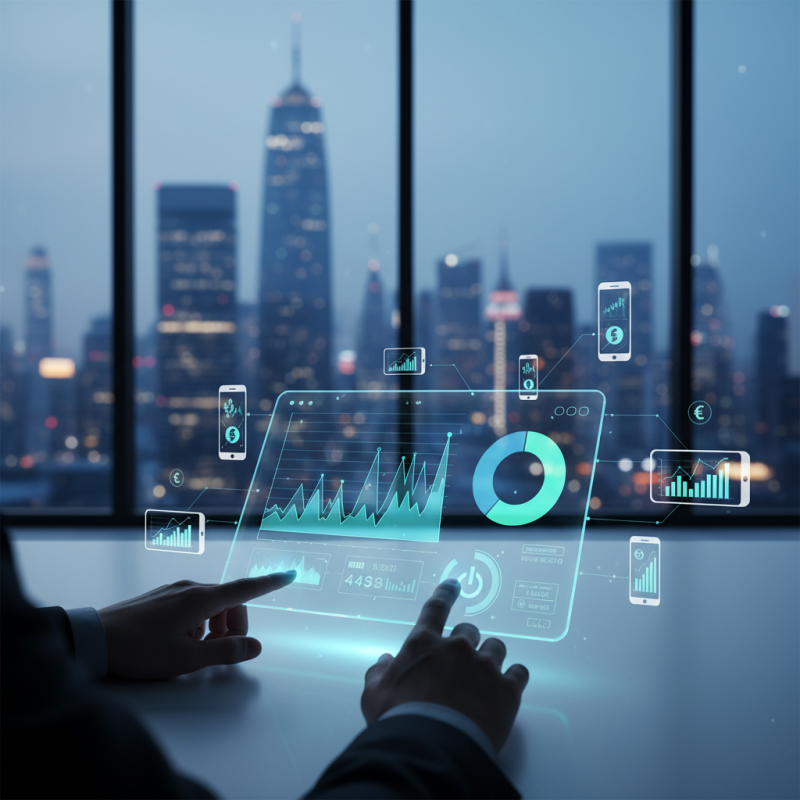
Interactive digital platforms let users visualize their usage patterns. Graphs, charts, and real-time data can simplify complex information.
Tips: Take time to explore your bill details. Understanding your consumption helps prevent surprises.
Mobile apps are becoming popular. They provide instant access to billing information. Notifications about peak usage times can help consumers manage their expenses. Features like budget-setting can empower users to stay on track.
Tips: Set up alerts to monitor your spending habits. Small changes can lead to significant savings.
Yet, not all innovations are flawless. Some platforms may overwhelm users with data. Simplicity is key. Clear, concise information should be prioritized. User feedback is crucial to refine these tools. Always look for ways to improve your experience with these innovations.
Impact of Smart Grid Systems on Bill Visualization and Consumer Insights
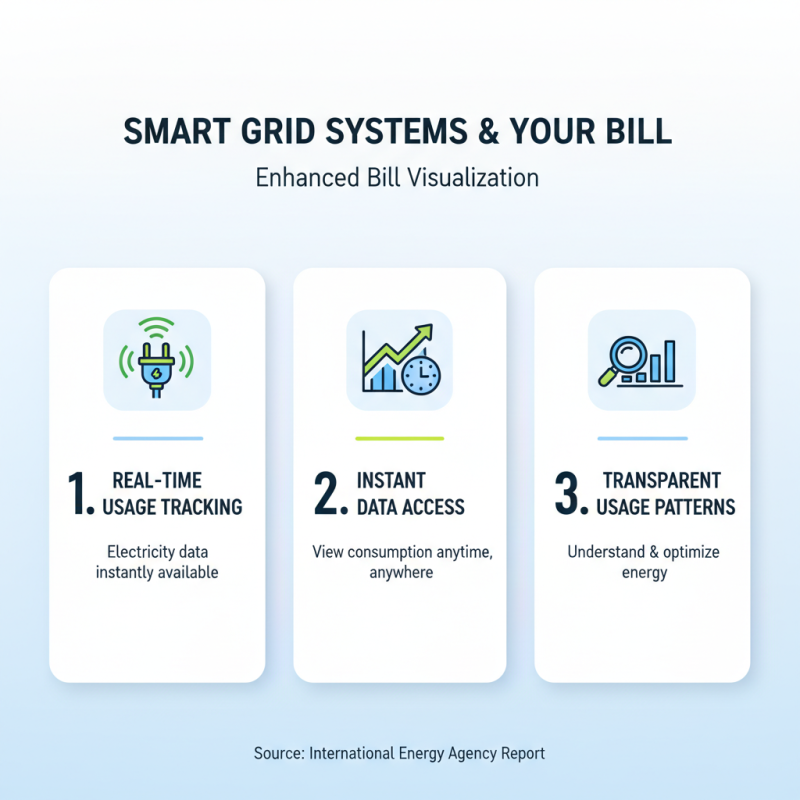
The impact of smart grid systems on bill visualization is profound. Smart grids enable real-time tracking of electricity usage. According to a report from the International Energy Agency, consumers can view their energy consumption data instantly. This transparency helps them understand their usage patterns better.
One study indicates that over 70% of consumers prefer detailed visual insights into their electricity usage. Users appreciate tools that break down their expenditures by time and usage level. However, many still struggle with the complexity of data presented. Simplification is key, yet many tools fail to deliver intuitive experiences.
Furthermore, smart grid technology is evolving. The Global Smart Grid Federation highlights that improvements are ongoing, but many households remain without access to these systems. Without universal access, the benefits of smart grids may create a divide. Consumer engagement can grow, but only if technology is made accessible to all.
The Role of AI and Machine Learning in Personalizing Electricity Bills
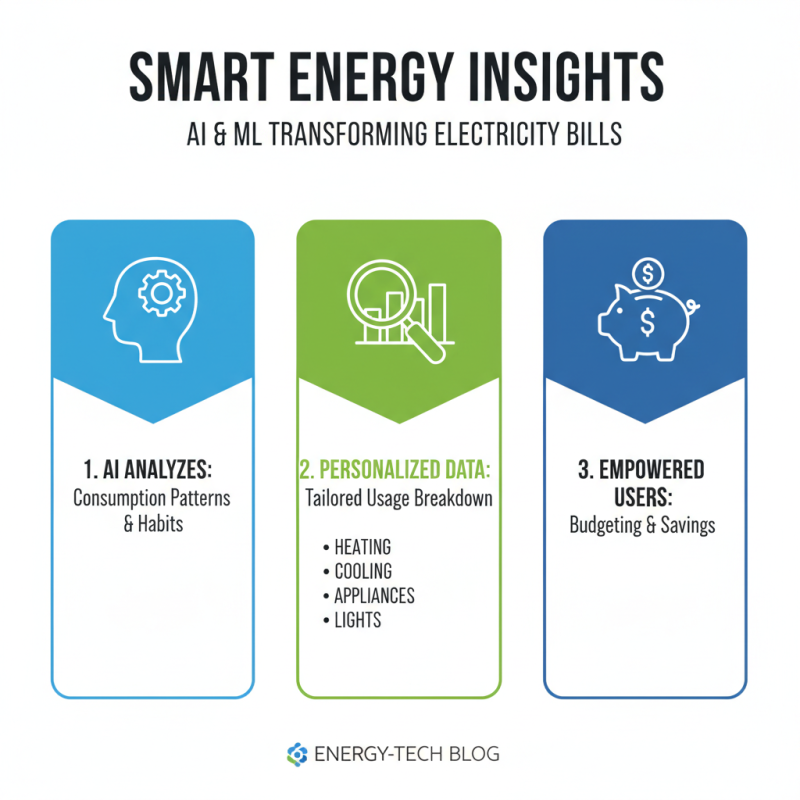
The integration of AI and machine learning into electricity bill management is transforming how consumers perceive their energy usage. Advanced algorithms analyze individual consumption patterns, providing personalized insights that were previously unavailable. This technology can break down usage into specific categories, such as heating, cooling, or appliance use. Users can see exactly where their money goes, which helps in budget planning.
With the rise of AI, there is also a shift toward more interactive billing experiences. Some systems now send alerts when usage spikes unexpectedly. Alerts can be customized based on user preferences. They help raise awareness about energy waste, prompting users to take action. However, this personalized approach is not flawless; there can be inaccuracies in data interpretation, leading to confusion.
Moreover, many people still struggle to understand their bills, even with AI’s involvement. Sometimes, the insights provided may seem too technical or overwhelming. There is a need for better education on how to interpret these AI-driven insights. Simplifying the language and visuals could enhance user experience significantly. Continuous feedback from consumers will be crucial in improving this technology further.
Data Privacy and Security Challenges in Electricity Bill View Technologies
As electricity bill view technologies evolve, data privacy and security challenges become increasingly critical. Users may share personal information for better service. This data can be valuable for companies, but it also poses risks. How information is collected, stored, and processed needs scrutiny. A breach could expose sensitive user data.
Building trust is essential in this digital age. The complexity of regulations adds to the challenge. Companies often struggle to fully comply, leading to potential pitfalls. Users want transparency in how their data is managed. Confusion over privacy policies can lead to distrust. Many find reading lengthy terms and conditions daunting.
Another concern is user awareness. Are customers truly informed about their rights? Many may overlook opt-out options or data-sharing choices. Creating straightforward language is necessary. Educating users about data security and personal rights can empower them. Without clear guidance, users remain vulnerable to misuse of their information.
2026 Top Trends in Electricity Bill View Technology and Insights - Data Privacy and Security Challenges in Electricity Bill View Technologies
Trend
Description
Impact on Data Privacy
Security Challenges
AI-Powered Analytics
Utilizing AI to analyze electricity usage patterns and predict future consumption.
Potential exposure of personal usage data to third parties.
Risk of AI models being hacked to manipulate usage data insights.
Blockchain for Billing Transparency
Implementing blockchain technology to enhance transparency in billing processes.
Increased control over personal data shared in billing processes.
Challenges in ensuring privacy while maintaining transparency.
Smart Meter Data Sharing
Encouraging consumers to share smart meter data for personalized services.
Risks related to unauthorized data access and sharing.
Ensuring secure data transmission and storage from smart meters.
Mobile Billing Apps
Development of mobile applications for managing and viewing electricity bills.
Increased risk of data breaches through mobile devices.
Ensuring app security against malware and phishing attacks.
Enhanced Customer Engagement Platforms
Platforms that improve customer interaction and feedback on billing.
Potential collection of more personal information from consumers.
Steering clear of data misuse or unauthorized access during feedback collection.