- Spanish-Latin America
- Japanese-JP
- Chinese
- Europe
- Português-BR

Tech Support
(888) 598-9901
Hours: Mon-Fri 8AM-8PM EST
nep-usa@site_ea168614-f5f4-4298-bd5b-880b4cf8d99d
2026 Top Light Beam Lamps for Global Buyers?
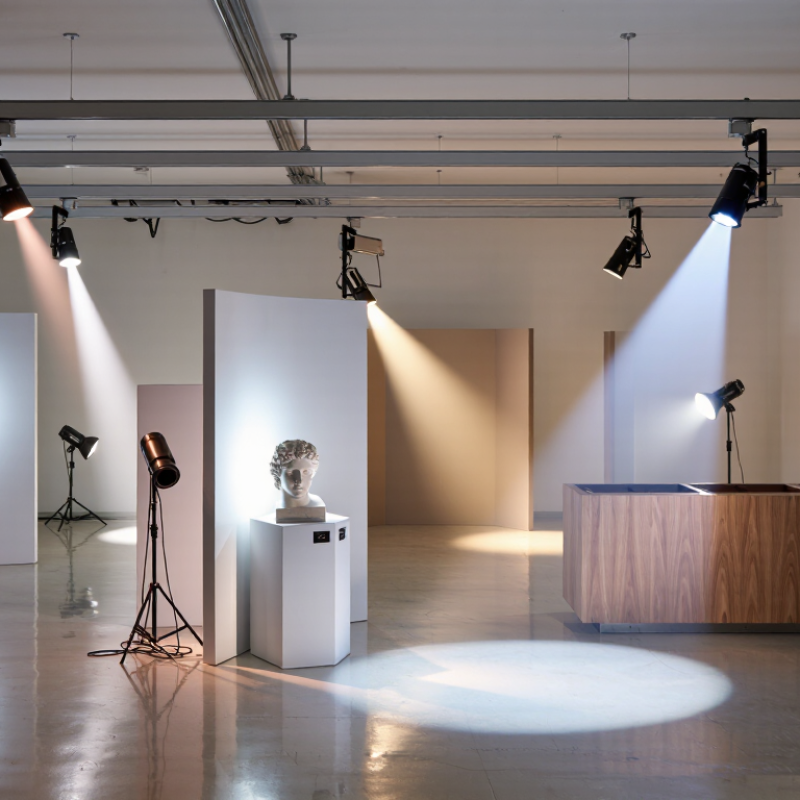
The 2026 market for Light Beam Lamps is becoming more technical, visual, and demanding. Global buyers now compare beam angle, lumen output, color rendering, flicker control, heat management, and service life. A narrow 15-degree beam can highlight a sculpture, while a 36-degree beam may create softer retail illumination. Small specification changes can alter an entire room.
James Turrell, a leading light artist and authority on spatial illumination, said, “Light is not so much something that reveals, as it is itself the revelation.” His observation remains valuable for buyers selecting Light Beam Lamps. The fixture should support the space, not merely produce strong brightness. Product evaluation should also include input voltage, dimming compatibility, IP protection, driver quality, warranty terms, and regional compliance documentation. Global purchasing is rarely simple. A lamp suitable for a hotel in Dubai may not suit a gallery in London or a warehouse in São Paulo.
This guide examines leading Light Beam Lamps for international buyers in 2026. It considers commercial performance, installation conditions, energy efficiency, optical precision, and long-term reliability. Real-world details matter, including glare near polished floors, color shifts on white walls, and driver noise in quiet rooms. Some rankings may remain debatable because project priorities differ. Price is not always value. High lumen output can also hide poor beam control. Buyers should verify test reports, sample units, replacement access, and local electrical requirements before ordering. The strongest choice is not always the brightest one. It is the lamp that performs consistently where people actually use it.
Light-Beam Lamp Basics: Beam Angles, Lumens, CCT, and CRI Benchmarks
In 2026, global buyers should judge light-beam lamps by measured performance, not attractive packaging. Beam angle controls how light spreads across a surface. Narrow beams, usually 10°–24°, create focused accents for shelves or artwork. Medium beams, around 25°–40°, suit desks and retail displays. Wide beams distribute softer light across larger areas.
Lumens indicate total light output, while beam angle affects brightness on the target. A 1,000-lumen lamp with a narrow beam can look brighter than a higher-lumen lamp with wide coverage. Check the photometric report when available. Manufacturer claims can vary. I have found that surface distance changes the result sharply, especially on dark walls.
CCT describes color appearance. Around 2700K–3000K feels warm and works well in hospitality spaces. Near 4000K supports clearer task visibility without appearing excessively blue. Daylight settings above 5000K need careful placement. CRI should reach at least 80 for general areas and 90 or higher for products, artwork, and skin tones. R9 performance also matters for strong reds, though many listings omit it. A small sample test remains useful. Real rooms are rarely perfect. Light reflected from wood, stone, or painted walls can alter the final color noticeably.
Get in touch
Our mission is to develop cutting-edge clean energy technology and provide next-generation solar inverters.
Phone
(888) 598-9901
nep-usa@site_ea168614-f5f4-4298-bd5b-880b4cf8d99d
