- Spanish-Latin America
- Japanese-JP
- Chinese
- Europe
- Português-BR

Tech Support
(888) 598-9901
Hours: Mon-Fri 8AM-8PM EST
nep-usa@site_ea168614-f5f4-4298-bd5b-880b4cf8d99d
2026 Top Ascophyllum Nodosum Agriculture Suppliers
Choosing a supplier for Ascophyllum Nodosum Agriculture products takes more than comparing prices. Buyers need dependable sourcing, clear specifications, and evidence that products suit their crops and application systems. FAO’s The State of World Fisheries and Aquaculture 2024 reports global algae production of 37.8 million tonnes in 2022. That figure describes the wider algae sector, not Ascophyllum nodosum supply alone. The distinction matters when evaluating supplier claims.
Seaweed-derived products are not interchangeable. Craigie’s 2011 review in the Journal of Applied Phycology describes how seaweed extracts can influence plant growth and stress responses, while outcomes depend on the extract and how it is used. Field results can vary. A supplier’s technical sheet should therefore identify the extract type, concentration, recommended use, and batch testing methods. Ask for a recent certificate of analysis, traceable origin information, and practical crop guidance. Vague claims deserve careful questions.
This 2026 overview examines leading agricultural suppliers through product transparency, technical support, sourcing practices, and market availability. It is not a universal ranking: regional access and crop needs can change the best choice. A liquid extract that performs well in a foliar program may not fit every fertigation setup. We also recognize a limitation: public data rarely allows direct, like-for-like comparison of supplier performance. Use the profiles as a starting point, then verify specifications and trial products under local conditions.
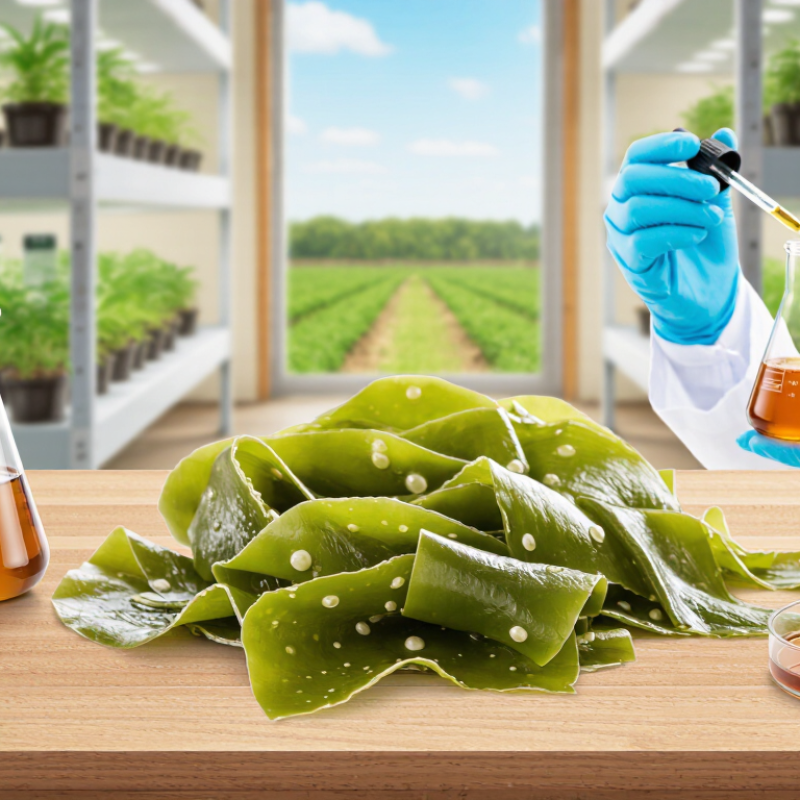
Understanding Ascophyllum Nodosum and Its Agricultural Uses
Ascophyllum nodosum is a brown seaweed found along North Atlantic shores. In agriculture, it is processed into liquid extracts, soluble powders, or dried materials for soil and crop use. Its value is not simply a supply of major nutrients. Products may contain trace minerals and naturally occurring compounds, including alginates and other polysaccharides. Composition varies with harvest conditions and processing.
Farmers and growers use these products as supplements, often through irrigation or foliar application. A fine mist on leaves can be useful, but timing, concentration, and crop stage matter. It is not a replacement for balanced fertilization or sound soil management. Results can differ with weather, soil, crop variety, and product quality. That part is easy to overlook. Check the product’s analysis and directions, then test it on a small area before wider use. Keep records of application rates and crop response; otherwise, it is hard to tell whether a change helped. The less tidy truth is that seaweed extracts do not produce the same visible response in every field. Use them as one considered tool, not a guaranteed fix.
Get in touch
Our mission is to develop cutting-edge clean energy technology and provide next-generation solar inverters.
Phone
(888) 598-9901
nep-usa@site_ea168614-f5f4-4298-bd5b-880b4cf8d99d
