- Spanish-Latin America
- Japanese-JP
- Chinese
- Europe
- Português-BR

Tech Support
(888) 598-9901
Hours: Mon-Fri 8AM-8PM EST
nep-usa@site_ea168614-f5f4-4298-bd5b-880b4cf8d99d
2026 Top Food Packaging Inspection Systems for Buyers?
Choosing a Food Packaging Inspection system is not just a matter of comparing camera counts or detector sensitivity. Buyers must consider the products, package materials, line speed, and likely failure points. A clear pouch, a foil tray, and a glass jar each create different inspection challenges. The right system should detect relevant defects while fitting the real production environment.
W. Edwards Deming, a quality-management expert, is widely associated with the principle, “Quality is everyone’s responsibility.” That idea applies here. Inspection equipment supports quality, but it does not replace sound procedures, trained operators, or regular checks. Buyers should ask vendors for evidence from comparable products and packaging formats. They should also examine false rejects, changeover time, data access, and service support. Small details matter.
This 2026 guide compares leading Food Packaging Inspection systems through practical buying criteria. It looks at technologies such as vision inspection, checkweighing, and contaminant detection, without assuming one solution suits every line. Some specifications may look impressive on paper. Real performance still needs validation under production conditions. Use this overview to shape questions, compare trade-offs, and identify where a closer trial is warranted.
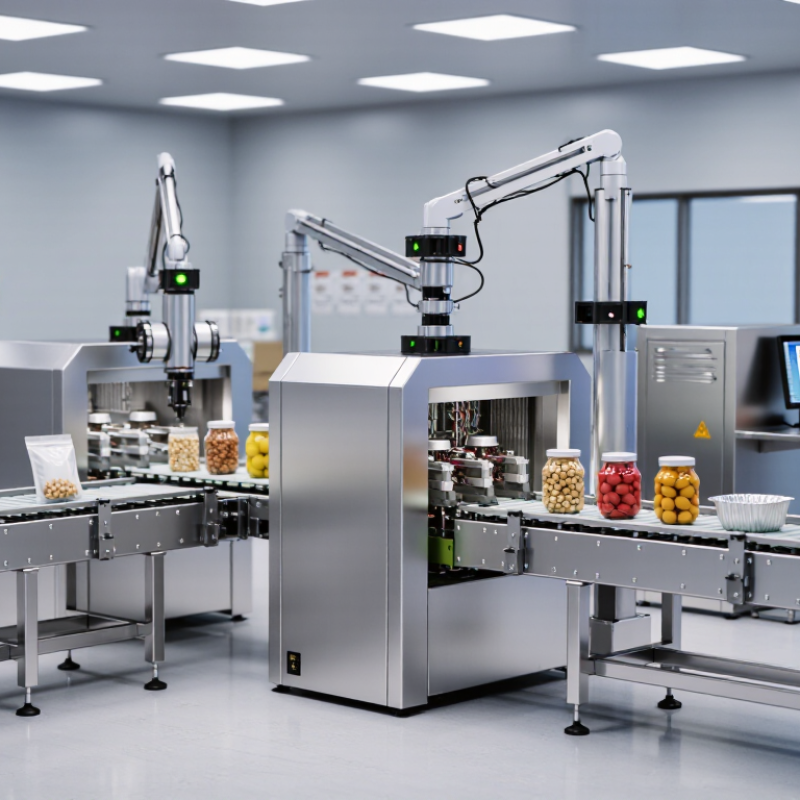
What Food Packaging Inspection Systems Do and Where They Are Used
2026 Top Food Packaging Inspection Systems for Buyers?
Food packaging inspection systems check more than appearance. Vision cameras verify fill levels, labels, seals, and date codes. Checkweighers detect missing products or underfilled packs. Metal detectors and X-ray units identify unwanted material inside sealed packages. Seal-integrity tools reveal tiny leaks around trays, pouches, and bottles. These checks matter because the World Health Organization estimates that 600 million people become ill from contaminated food each year.
Where are these systems used? Vision inspection works well on high-speed filling and labeling lines. X-ray inspection suits dense products, sealed cartons, and multi-layer packages. Metal detection is common after mixing, baking, or processing. Checkweighers support portion control before case packing. In chilled warehouses, barcode and seal checks help reduce rejected shipments. The UNEP Food Waste Index Report 2024 estimates that 19% of food available to consumers is wasted at retail, food service, and household levels. Better packaging checks cannot solve all waste, but they can prevent avoidable leaks, mislabeling, and damaged packs.
Tips: Match the inspection point to the actual risk. Test products at normal line speed, not only during trials. Keep sample records. A camera can miss a weak seal. X-ray images can also require skilled review. Buyers should examine false rejects, cleaning needs, data storage, and operator training. The cheapest system may create the highest hidden cost. That deserves honest reflection.
Get in touch
Our mission is to develop cutting-edge clean energy technology and provide next-generation solar inverters.
Phone
(888) 598-9901
nep-usa@site_ea168614-f5f4-4298-bd5b-880b4cf8d99d
