- Spanish-Latin America
- Japanese-JP
- Chinese
- Europe
- Português-BR

Tech Support
(888) 598-9901
Hours: Mon-Fri 8AM-8PM EST
nep-usa@site_ea168614-f5f4-4298-bd5b-880b4cf8d99d
2026 Top Dubai Full Container DDP Shipping Cost?
Planning a 2026 shipment to Dubai? The price of a full container depends on more than the ocean freight rate. Dubai Full Container Ddp quotes may include export handling, transport, customs clearance, import duties, and delivery to an agreed destination. But the exact scope varies by supplier and contract. Read every line.
A 20-foot container and a 40-foot container can have different rates. So can shipments from different origins. Fuel costs, carrier space, seasonal demand, cargo details, and the final delivery address may all affect the total. A warehouse in central Dubai is not the same destination as a site outside the city. Small details matter. Ask whether the quote includes port charges, customs-related costs, and any required inland transport. Confirm who handles unloading, too.
This guide explores the main cost factors behind Dubai full-container DDP shipping in 2026. It also explains what to check before comparing quotes, so a lower headline price does not distract from missing services. Rates change, and an online estimate cannot replace a shipment-specific quotation. A neat quote can still leave room for misunderstanding. That is worth questioning. Share the cargo description, container size, origin, and delivery address with your forwarder, then request a written breakdown. Clear assumptions make comparisons more useful and help prevent surprise charges.
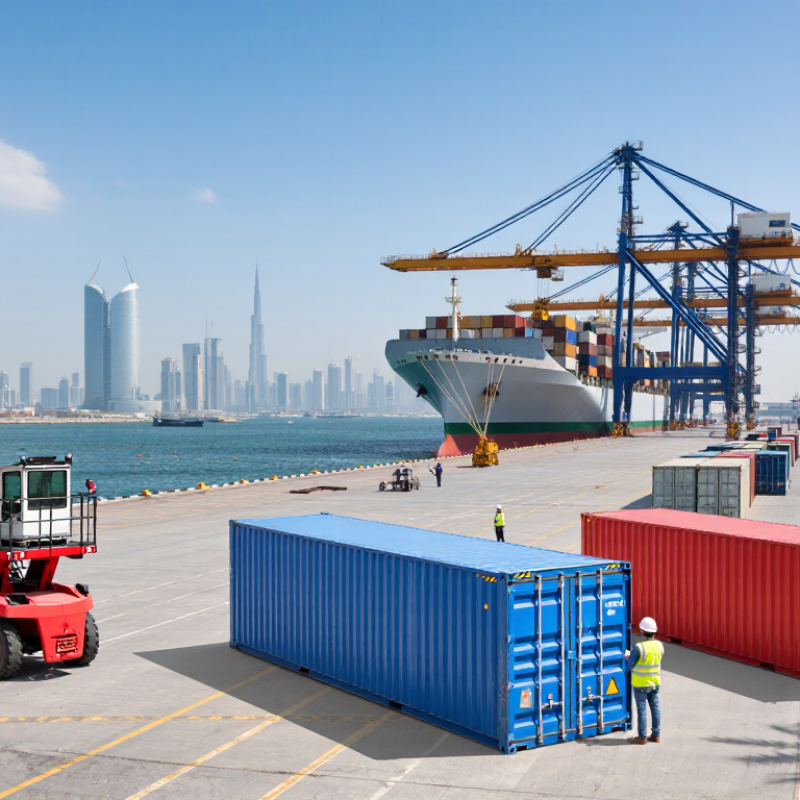
What Does DDP to Dubai Cover Under Incoterms® 2020?
Under Incoterms® 2020, DDP means the seller arranges transport to the named destination in Dubai and handles export and import clearance. The seller also pays applicable customs duties and taxes. For a full container, the quote should identify the exact delivery point, such as a warehouse address, not just “Dubai.” That matters.
Delivery occurs when the goods arrive at the agreed place, ready for unloading. Unloading is generally the buyer’s responsibility unless the contract says otherwise. DDP also does not require the seller to buy cargo insurance, so confirm who bears that cost and what protection is arranged. Ask for a breakdown covering ocean freight, port handling, customs clearance, duties, VAT, and inland delivery.
A low DDP price deserves a closer look. It may exclude storage, demurrage, or extra charges caused by delays or incomplete documents. Import procedures and the seller’s ability to act as importer can also affect whether DDP is practical for a particular shipment. Get these responsibilities in writing before booking. The term sounds complete, but the named place and agreed services still matter.
Get in touch
Our mission is to develop cutting-edge clean energy technology and provide next-generation solar inverters.
Phone
(888) 598-9901
nep-usa@site_ea168614-f5f4-4298-bd5b-880b4cf8d99d
