- Spanish-Latin America
- Japanese-JP
- Chinese
- Europe
- Português-BR

Tech Support
(888) 598-9901
Hours: Mon-Fri 8AM-8PM EST
nep-usa@site_ea168614-f5f4-4298-bd5b-880b4cf8d99d
2026 Best Refrigeration Condensing Unit Types?
Choosing the best Refrigeration Condensing Unit in 2026 requires more than comparing horsepower and price. Real performance depends on load patterns, ambient temperature, refrigerant compatibility, service access, and operating hours. A unit serving a busy supermarket faces different demands from one cooling a small restaurant walk-in. Door openings, product temperature, condenser airflow, and suction-line length can change the result.
This guide examines air-cooled, water-cooled, remote, semi-hermetic, scroll, and variable-speed condensing units. It considers where each type performs well and where it may create practical problems. Field technicians often notice details that brochures miss, such as difficult oil return, coil fouling, compressor noise, or limited access around a service panel. Small details matter.
Reliable selection should combine manufacturer data, installation experience, maintenance records, and verified efficiency ratings. Energy performance can look impressive under laboratory conditions, yet differ in a dusty plant room. That difference deserves attention. There is no universal best unit. A technically advanced model may be unsuitable when local servicing is limited or replacement parts take weeks to arrive.
The discussion also considers refrigerant requirements, control systems, climate conditions, lifecycle cost, and future expansion. Some recommendations may need revision as equipment standards and refrigerant policies develop. That uncertainty is real. Readers can use this overview to compare options carefully, question supplier claims, and identify the condensing unit that fits their actual facility rather than an idealized specification sheet.
Refrigeration Condensing Units: Definition, Purpose, and Core Components
2026 Best Refrigeration Condensing Unit Types?
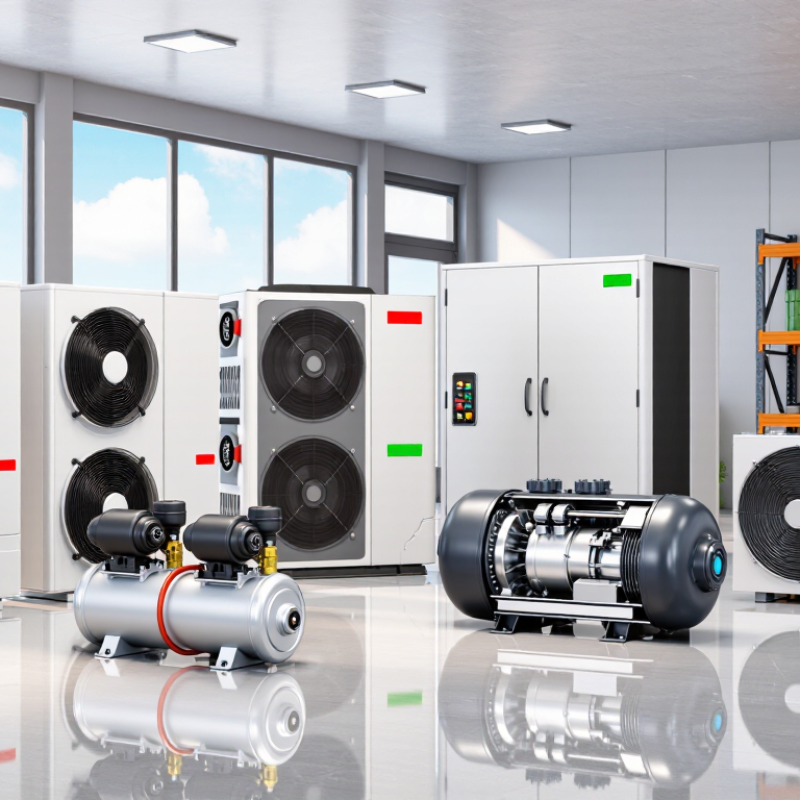
A refrigeration condensing unit is the outdoor mechanical package that removes heat from a refrigerated space. It normally combines a compressor, condenser, receiver, fan, controls, and service valves. The compressor raises refrigerant pressure. The condenser then releases heat and changes vapor into liquid. In a cold room, this process supports stable product temperatures and reduces spoilage risks.
The International Institute of Refrigeration estimates that refrigeration uses about 17% of global electricity. The IEA’s Future of Cooling report also warns that cooling demand could more than triple by 2050. These figures make condensing-unit efficiency a practical concern, not a decorative specification. Air-cooled units suit many warehouses because installation is simple. Water-cooled units can perform better in hot conditions, but they need water treatment and reliable supply. Evaporative designs may improve efficiency, though maintenance becomes less forgiving.
Selection should begin with load, evaporating temperature, ambient temperature, refrigerant, and operating hours. Scroll compressors can suit smaller loads. Semi-hermetic reciprocating compressors offer serviceability. Screw compressors often fit larger, steady-duty systems.
Field inspections frequently find undersized receivers, blocked condenser fins, or poor airflow. Small details matter. A neat selection chart can mislead. Real sites have doors opening, frost forming, and ambient temperatures changing hourly. Engineers should verify capacity under actual conditions and check noise, controls, defrost strategy, and regulatory refrigerant requirements before approval.
Get in touch
Our mission is to develop cutting-edge clean energy technology and provide next-generation solar inverters.
Phone
(888) 598-9901
nep-usa@site_ea168614-f5f4-4298-bd5b-880b4cf8d99d
