We use our own and third-party cookies to improve our services. If you continue browsing, we will consider that you accept this use. Read More

OK

English-US
  • Spanish-Latin America
  • Japanese-JP
  • Chinese
  • Europe
  • Português-BR

Tech Support

(888) 598-9901
Hours: Mon-Fri 8AM-8PM EST

E-mail

nep-usa@site_ea168614-f5f4-4298-bd5b-880b4cf8d99d

2026 Best Electricity Rates What to Expect and How to Save?

As we approach 2026, understanding electricity rates becomes increasingly important for consumers and businesses alike. Energy expert Dr. Emily Carter once stated, "Anticipating changes in electricity rates is crucial for effective budgeting." This sentiment resonates as people prepare for potential fluctuations in energy pricing.

With the shifting dynamics in the energy market, staying informed about electricity rates is vital. Factors like policy changes, renewable energy growth, and global demand can impact costs. For many households, a slight increase can significantly affect monthly budgets. Individuals need to explore ways to save, such as energy-efficient appliances and smart usage habits.

As we ponder the future, we must also consider potential shortcomings in our approaches. Many consumers overlook the small details. Small adjustments can lead to larger savings over time. Discovering the best strategies to manage electricity rates requires ongoing reflection and action. In the end, understanding and adapting to these rates is essential for a sustainable financial future.
2026 Best Electricity Rates What to Expect and How to Save?

Factors Influencing Electricity Rates in 2026
2026 Best Electricity Rates What to Expect and How to Save?

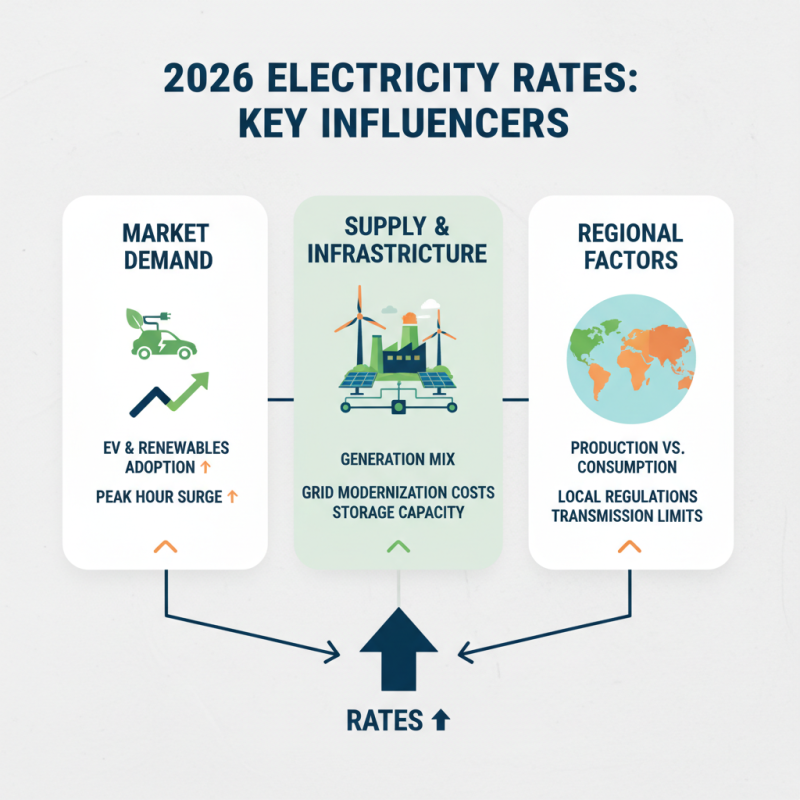
Electricity rates in 2026 will be influenced by a variety of factors. Market demand plays a critical role. As more people shift to electric vehicles and renewable energy, demand will rise. This surge could push prices higher, especially during peak usage hours. Regional factors matter too. Different areas experience varying levels of energy production and consumption.

Another key element is government policy. Incentives for clean energy can impact rates significantly. Changes in regulations can either promote or hinder the development of renewable resources. The economy also plays a part. Economic growth often leads to increased energy consumption. Conversely, a downturn can lessen demand and stabilize prices.

Consumers must stay informed. Understanding how rates are set can lead to better choices. Many households don’t realize that energy efficiency can save money. Small changes, like using energy-efficient appliances, can make a difference. Keeping an eye on rate plans can be beneficial. It’s essential to evaluate options regularly. The market is ever-changing and so are individual needs.
Predicted Trends in Electricity Pricing for 2026

As we look toward 2026, electricity pricing trends indicate several key changes influenced by various factors. Experts predict a general rise in electricity rates, driven by increased demand and the expansion of renewable energy sources. According to the U.S. Energy Information Administration, electricity prices could increase by about 5% over the next few years due to this shift. More homes are adopting electric heating and EVs, which further boosts demand.

Renewable energy’s growth is revolutionary but complex. While it offers long-term savings, initial investments can be heavy. For example, solar installation costs have dropped. However, the transition phases can be challenging for many households. Inconsistent regional policies and grid infrastructure upgrades complicate the picture. There's a need for consumers to remain flexible and informed.

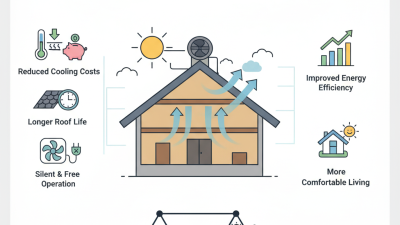
Homeowners are urged to explore energy-saving appliances and smart home technologies. These can lower consumption and offset some of the expected price hikes. Despite these challenges, there is room for optimism. Energy efficiency programs are expanding, providing opportunities for consumers to not only save but also contribute to a sustainable future. Adapting will be key in navigating the evolving landscape of electricity pricing.

Tips for Reducing Your Electricity Bill in 2026

As we look to 2026, electricity costs are projected to rise, making it crucial to find ways to reduce your bill. In 2023, the average residential electricity rate was around $0.14 per kilowatt-hour. Experts estimate an increase of 5-10% for 2026. This means households need to adapt their energy usage now.

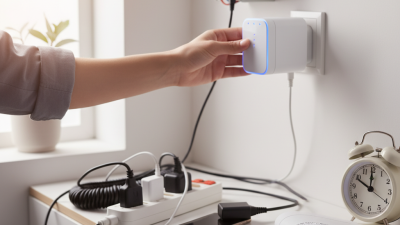
One effective strategy is to invest in energy-efficient appliances. The Department of Energy reports that energy-efficient products can reduce energy consumption by up to 30%. Simple changes like using LED bulbs can cut lighting costs significantly. Utilizing smart thermostats can also yield savings of around 10-15% on heating and cooling.

Another approach is to shift usage to off-peak hours. Rates during peak times are often higher. Educating yourself about your local utility's rate structure can reveal opportunities for savings. Finally, regularly monitoring your energy use can highlight habits that need adjustment. Small changes make a difference. A recent survey indicated that 70% of consumers do not track their electricity use, which often leads to overspending. Reflecting on personal energy consumption can be a game-changer.

Comparison of Electricity Providers and Rates for 2026

2026 Best Electricity Rates What to Expect and How to Save?

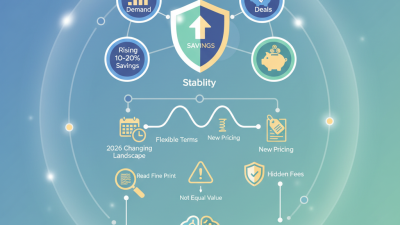
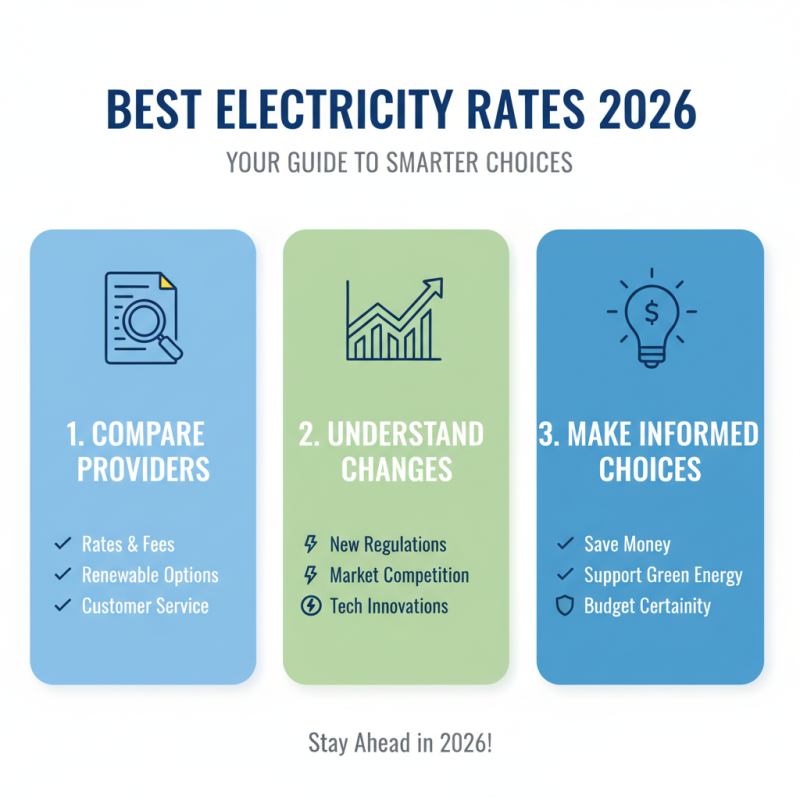
When looking for the best electricity rates in 2026, it’s essential to compare various providers and their offerings. This year could bring changes in pricing due to new regulations and competition. By understanding the differences between plans, consumers can make more informed choices.

Rates may vary significantly depending on the provider and location. Some may offer fixed rates for stability, while others provide variable rates that can potentially save money during low-demand periods. This variability makes it crucial to read the fine print. There may be hidden fees or charges that could offset savings.

**Tips:** Always check for additional costs. Watch for seasonal promotions. Consider your energy habits and usage patterns to find a plan that truly works for you. Avoid making decisions quickly; take time to reflect on your options and consult comparison tools to ensure you are not missing a better deal.

Renewable Energy Options and Their Impact on Electricity Costs

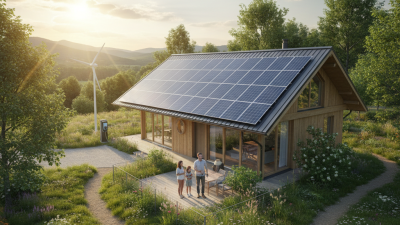
In 2026, renewable energy options will transform electricity costs. More homes will rely on solar and wind power. These sources are abundant and becoming more affordable. Many consumers seek cleaner alternatives. However, not everyone knows how to navigate these choices.

Many people worry about upfront costs. Solar panels can be expensive to install. Yet, government incentives may help offset these costs. Without proper research, some might overspend. It’s essential to compare different energy providers. Understanding these rates can save money. Consumers should be cautious of hidden fees. This can lead to unexpected expenses.

Choosing renewable energy can have long-term benefits. Lower operational costs can greatly impact monthly bills. Still, transitioning isn’t always seamless. Technical issues with installations can arise, and maintenance isn't cheap. Careful planning is crucial to minimize setbacks. Overall, embracing renewable energy requires diligence but offers promising savings.

2026 Best Electricity Rates: What to Expect and How to Save? - Renewable Energy Options and Their Impact on Electricity Costs

State Average Rate (cents/kWh) Renewable Energy (%) Projected Rate Change (%) Savings Tips
California 25.50 70% 5% Utilize solar panels
Texas 15.00 20% 3% Switch to a fixed-rate plan
New York 22.00 30% 4% Enroll in energy efficiency programs
Florida 18.50 15% 2% Install energy-efficient appliances
Illinois 17.00 25% 3.5% Use smart thermostats

Get in touch

Our mission is to develop cutting-edge clean energy technology and provide next-generation solar inverters.

Phone

(888) 598-9901

E-mail

nep-usa@site_ea168614-f5f4-4298-bd5b-880b4cf8d99d